

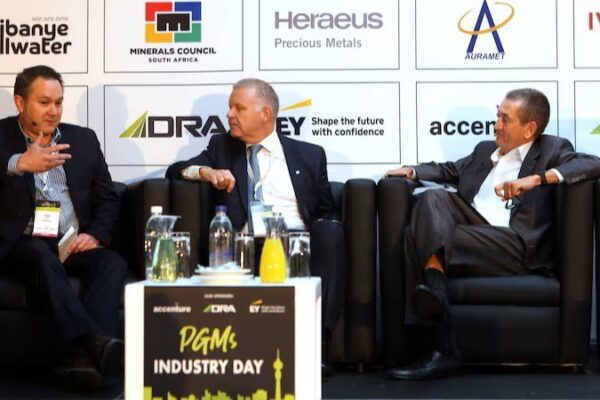
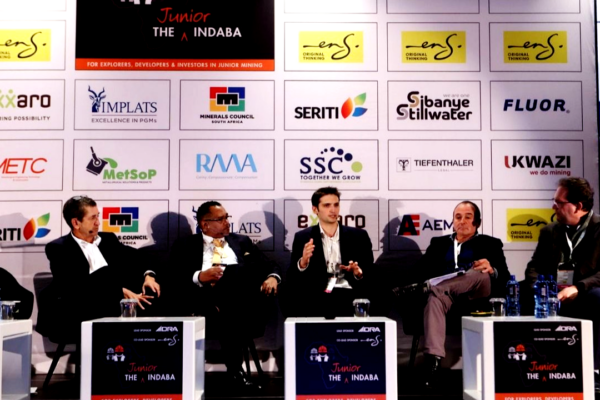
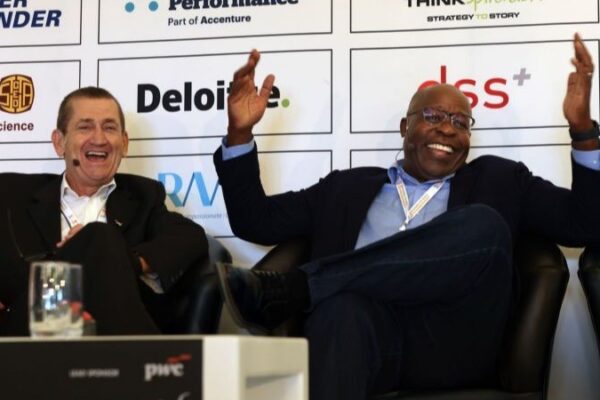
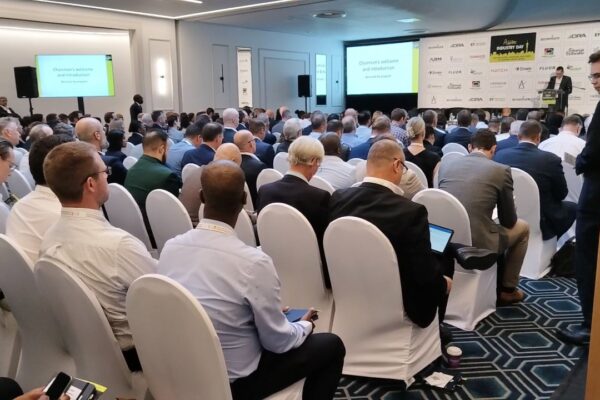
If you attended the 2025
Resources for Africa
Joburg Indaba, you’ll know the conversations were honest, sometimes brutally so.
But it was also hopeful; it was truly a conversation amongst the coalition of the willing, those who still have faith in the industry’s future. We didn’t talk about mining as an abstract policy challenge or as a set of balance sheets. We spoke about people, leadership, and survival.
Because right now, that’s what the South African mining industry is doing: surviving.
But survival is at best a short-term strategy. And that’s why I want to share what I call “The long view” of mining: a perspective that looks beyond the quarterly results and asks: what will this industry look like in 20 years? And will we even still be proud to call it “ours”?
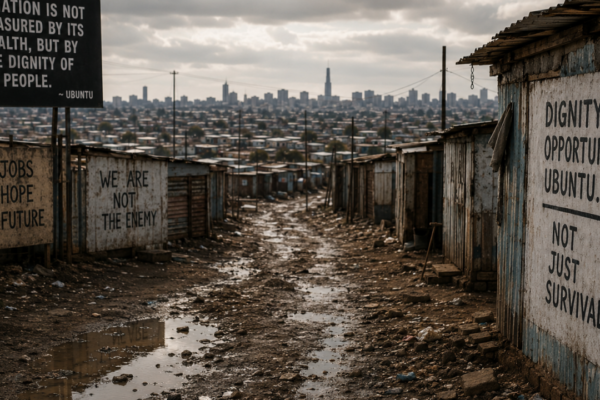
Looking Back: We Built a Country, Living in Joburg, it is easy to remember, Mining built South Africa. Literally, it built the railways, the power stations, the cities, and, for many of us, our careers. Where mining goes, people and ultimately infrastructure follow. But let’s not romanticize it.
The industry also created deep inequality and social divisions that we’re still paying for today. That’s our dual legacy, brilliance and brutality, development and inequality.
We must carry both with honesty, because the future of this industry depends on our ability to own that truth and evolve from it.
The State We’re In: Still World-Class, But Stuck!

Despite everything, we still produce world-class results. South African miners deliver excellence daily, often despite the environment, not because of it.
But let’s not sugarcoat it:
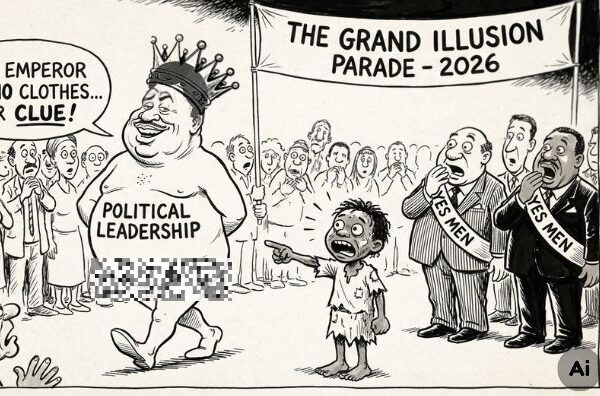
- Our logistics and energy systems are still broken.
- Policy instability kills investment before it starts.
- The exploration pipeline has a 30-year airlock in it.
We have world-class geologists, engineers, and operators — yet we’re behaving like a country that’s run out of ore and ideas.
Taking the Long View: What’s Coming
The future is already here; it’s just unevenly distributed.
- Coal isn’t going to vanish tomorrow, but pretending it has no endgame is delusion.
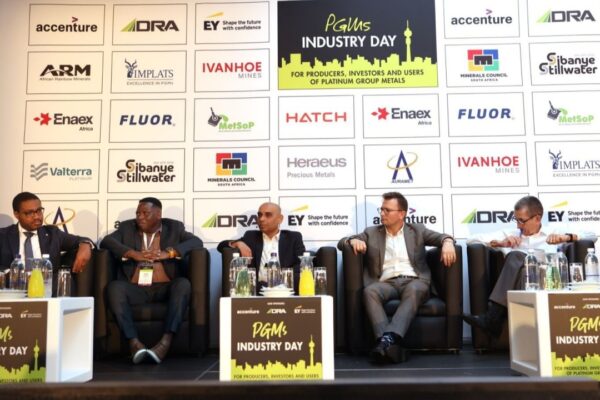
- PGMs need a reinvention beyond catalytic converters, and that means betting on hydrogen, new applications, and innovation. That will require more co-operation!
- Critical minerals are the new gold, but they’ll only reward countries that are stable, transparent, and clean.
The world will no longer only reward what we mine, it will also reward how we mine.
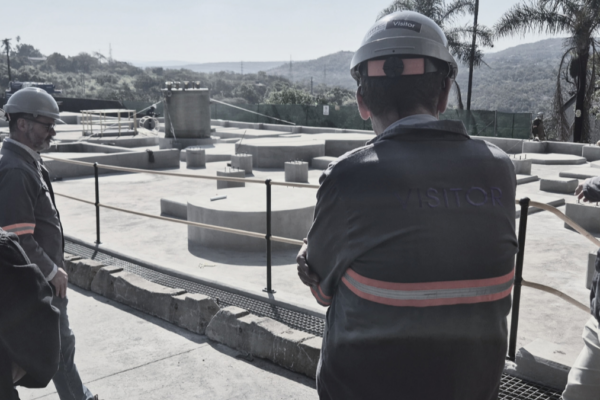
ESG, traceability, and carbon intensity are the new currency. And technology isn’t optional. Automation, AI, and digital twins are not just buzzwords; they’re the tools keeping mines alive. But they don’t replace people; they elevate those who can adapt and lead differently.
What Needs to Change
We all have a role to play in fixing what’s broken.
- The government must stop milking the cow and start ‘feeding’ it.
- Business must move from compliance to contribution: real local procurement, skills development, and trust-building.
- Leaders, that means you and me, we must prove that operational excellence and moral leadership can coexist.
If we want to be taken seriously as a modern mining nation, we must first start acting like one.
The Long View is Leadership
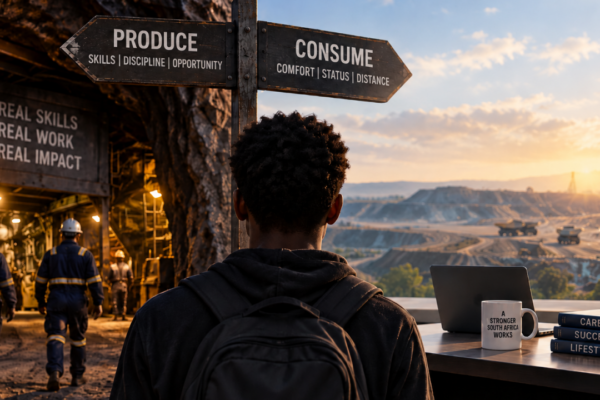
Mining has always demanded faith, faith that what we invest in today will still matter in a decade.
We are the custodians of this industry. The ore bodies will outlast us; the question is whether our leadership will. The next generation of mine managers deserves an industry that believes in its future.
Let’s not be the generation that managed the decline, let’s be the one that sparked the renewal.
The key question is: are we going to be spectators, or catalysts? Because mining, like South Africa, still has far more to give!
~ Z. B. S






























Latest Posts