
Can Africa Reset the Talent Equation?
There’s a statistic that caught my eye recently: nearly 40% of STEM graduates across nine countries are unaware of what modern mining truly entails. And yet, the same survey tells us that 90 %+ of those engineers would consider mining if they believed the sector had a meaningful role in the energy transition. (Engineering News)
That contrast, between ignorance and openness, isn’t just curious. It’s a strategic alarm bell and a golden opportunity for Africa.
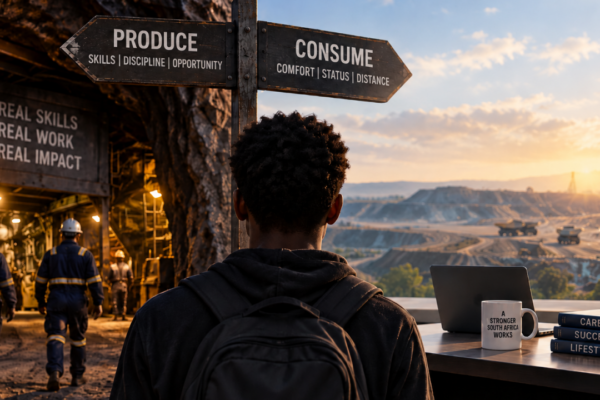
When young engineers don’t understand mining, when they see only rigs, dust, trucks, and extraction, we lose them. Mining becomes a fallback rather than a front-runner career.
That’s no accident; it’s a failure of narrative, education, and industry engagement. The report rightly highlights digitalisation, automation, and electrification as key components of a more engaging narrative.
We must show future engineers that mining today is systems engineering, data-driven optimisation, energy transition enabler. South Africa, and Africa broadly, cannot afford to cling to the image of “pick and shovel”.
If we want talent in, we have to switch the story.
High salary? Yes. Cutting-edge tech? Yes. Complex challenges? Absolutely. The report highlights these as top motivators. But what about purpose? What about seeing the entire chain, from ore to product to clean-energy future, and saying: “I built that.”
The talent pipeline isn’t just about one mine, one company, or one country. It’s about regional ecosystems, about aligning universities, industry, regulation, and purpose.
When each company or country selfishly only trains for themselves, we lose scale, we lose attractiveness, and we lose the narrative of mining as part of an exciting and innovative future.
What I’d like to see: five simple but bold commitments from our industry
- Rebrand mining careers in STEM outreach: show engineers the robotics, the AI, the energy systems angle.
- Establish visible transition-mining teams: dedicated projects tackling decarbonisation and a zero-emission fleet.
- Create cross-industry “mining innovation bootcamps” where students apply real mining problems.
- Offer return paths for engineers who leave mining: make mining a career, so you can always come back to it with your newly acquired skills from outside the industry.
- Share transparent success stories: show engineers “this is mining done better”, not mining as the necessary evil practice we would rather talk about than be part of..
Africa’s mining industry is at a crossroads. We have the resources, the geographies, the young people. But we don’t have the engineers, or at least not enough of them, to convert raw potential into sustained advantage.
If mining in Africa remains an “industry-of-last-resort” rather than an “industry-of-first‐choice” for top talent, we lose more than minds; we lose our capacity to build, to compete, to lead. The energy transition isn’t simply a reason to mine more.
It’s a reason to mine differently, to engineer differently, and to lead differently.
And the first step?
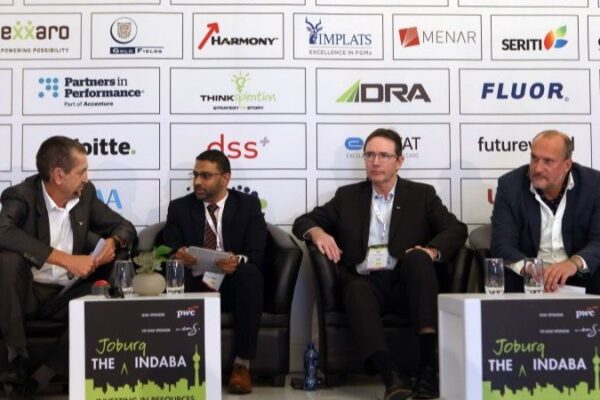
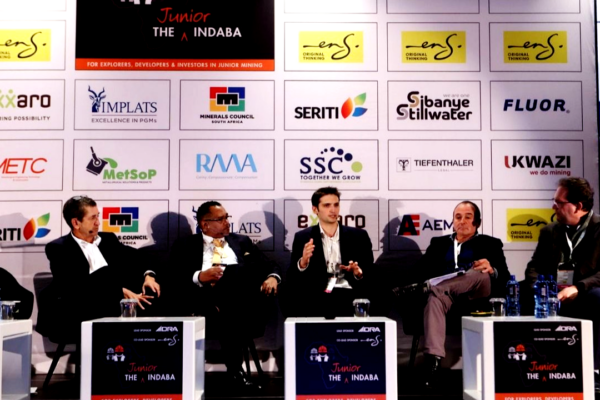
Invite the young engineers in. Show them the challenge. Show them the future. Make them builders of that future. During the London Indaba earlier this year, something Venkat (
Srinivasan Venkatakrishnan
), Chairman of
Endeavour Mining
, said stayed with me. He reminded us that if we want to secure the future of this industry, we have to reach young people while they’re still in school, and inspire them to see Mining Engineering as an exciting and meaningful career.
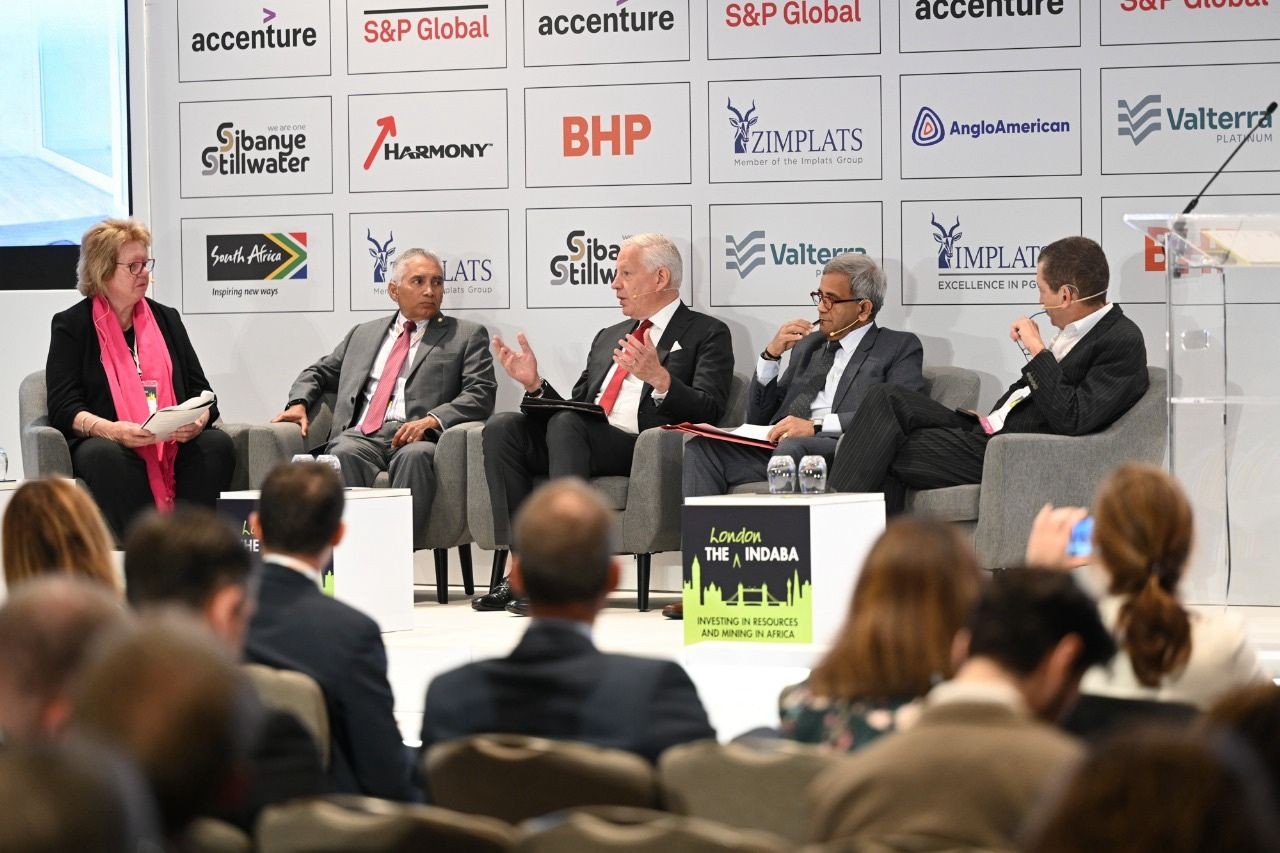
It’s worth watching his comment here (bit.ly/4i3bqjf – 00:44:36)
Of course, that means we should make bursaries and work experience opportunities available for more than just the current vacancies we have in our companies.
Talent drives mining. It always has. In Africa, if we get talent right, that is where leadership in minerals begins.
Let’s chat about it in the comments section?
~ Z.B.S





































Latest Posts