
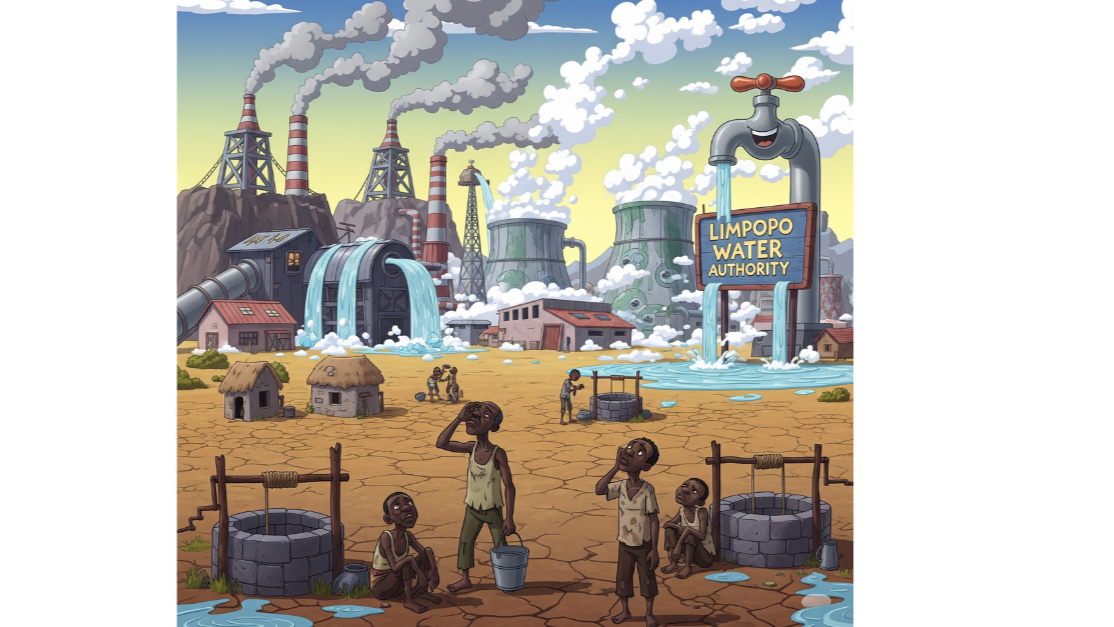
Laws (even good ones) without enforcement are still lawlessness!
If you know anything about me, you’ll know that Limpopo is incredibly close to my heart.
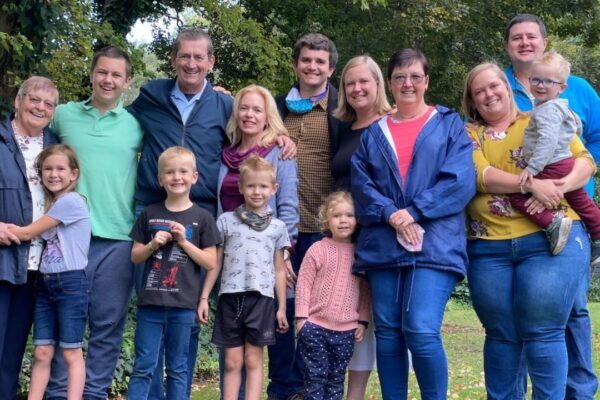
The land itself holds so many important aspects of what my family and I hold dear. This is where we went for those mad months of COVID-19 lockdown in 2020. The earth, the people, and the very air I breathe when I’m there represent a lifetime of hopes and dreams. So many ideas, so many losses, but so many blessings, too.
This is an area that refuels me when my human battery feels depleted, when my body yearns to be closer to the soil, and when my mind needs to escape, not to the bustle of the city, but to the wealth of the earth.
Over the years, Limpopo has faced many harsh environmental challenges. I’d say a fairly reasonable amount of what you’d expect from its climate and geographical location.
The people are resilient, as are the animals, and nature is often left to take its course, even if that course involves an unpleasant culling of numbers, so to speak. There is nothing easy about this terrain, despite it producing some of the lushest fields and growing some of the most difficult produce to consistently and expertly cultivate.
Today, I want to highlight two of the most pressing environmental crises affecting the people of Limpopo. This is nothing new, and it certainly won’t be fixed overnight. But my promise to you was that I would bring you news, authenticity, transparency, and solutions. Most importantly, I will hand-deliver myself to you, and that requires me to express my concerns as much as my opinions.
So, let’s jump into it.
The Real Cost of Sand: A Crisis at Our Doorstep
From our vantage point here in Sandton, the challenges facing our neighbouring province of Limpopo can feel distant. We read headlines about mining and corruption, but it’s easy to believe that the “real damage” happens somewhere else. But for those of us with ties to Limpopo, we know that the crisis is closer to home than we’d like to admit.
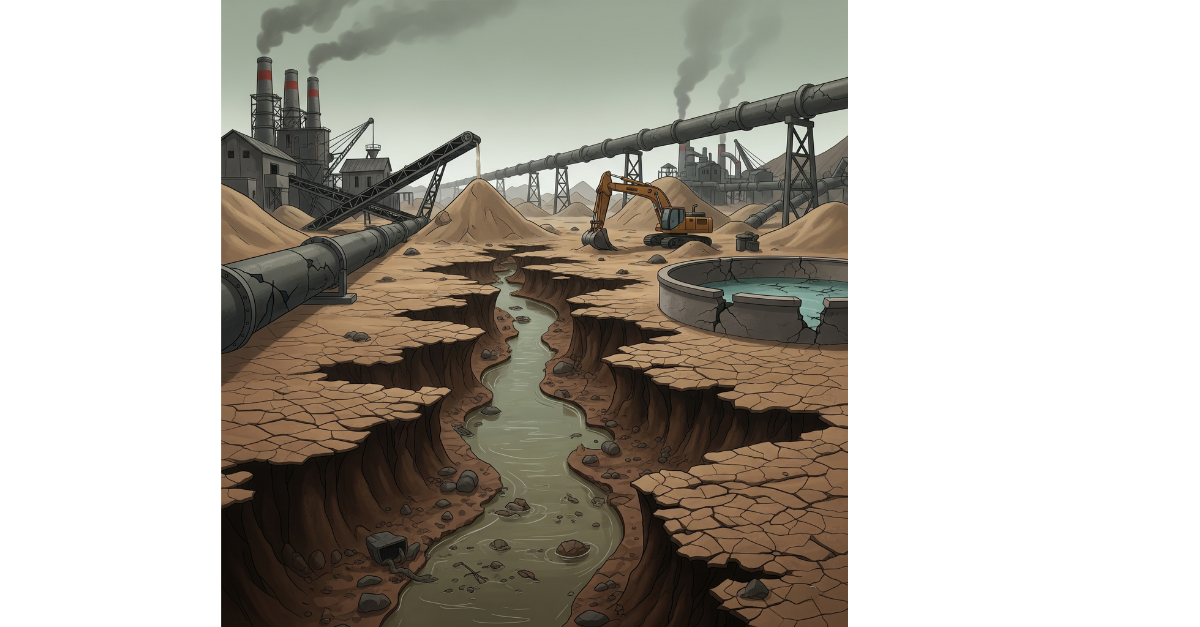
It’s in the rivers that once flowed strongly, the farms that are now barren, and the communities turning against each other.
The issue of illegal river sand mining in Limpopo is a prime example.
While we often talk about “Zama Zamas” and gold, the silent, relentless theft of sand from riverbeds is gutting the province’s ecological and social fabric.
Let’s take a look at what that means:
- Environmental Devastation: A recent DA media statement from June 2025 highlights a disturbing trend where illegal sand mining is proliferating from riverbeds across the province. This directly disrupts the natural flow of rivers, leading to reduced water availability for human consumption and farm irrigation, particularly during dry seasons. The statement specifically notes the “cynical and deliberate attempts to bypass” environmental laws by submitting multiple applications for adjacent pockets of land, each under 5 hectares, to evade stricter regulations.
- Law Enforcement and a Flawed System: In January 2025, the South African Police Service (SAPS) in Limpopo, in collaboration with the SANDF and Department of Mineral Resources and Energy (now the DMPR), arrested sixteen individuals in a series of disruptive operations aimed at curbing illegal mining. While these arrests demonstrate some effort, the problem is persistent.
- A July 2025 study from the University of Johannesburg highlights that this unregulated extraction leads to environmental crises such as “unrehabilitated pits, water pollution, and land pollution.” It also points out that the sheer prevalence of high unemployment influences participation in illegal sand mining, creating a vicious cycle where desperation fuels a destructive practice.
Our Call to Action
As a business community in Limpopo and as residents of this region, we can no longer look the other way.
- As a business, we can commit to rigorous due diligence, ensuring that our suppliers for construction and development materials are not contributing to this illicit trade. We must demand proof of legal sourcing and advocate for transparent supply chains. Even if that costs more!
- As residents and landowners, we must raise our voices and report suspicious activities to the authorities. The SAPS, in their June 2025 statement, explicitly encourages public cooperation to “help us safeguard our land and resources.”
- As a country, law enforcement is necessary if we want to live in a country with law and order. We need to demand that legal loopholes be closed! And that the “cunning practices” of evading environmental impact assessments (EIAs) are brought to an end. It’s a failure of governance when a lack of viable economic opportunities forces communities to turn on each other for survival. We must insist on a system that supports legal, regulated alternatives for artisanal miners and holds both illegal actors and negligent authorities accountable.
When the sand runs out, so does the soil, the water, and the trust that binds our society together.
This is a personal issue for many of us, and it demands our collective attention and action.
15 Years. No Water. No Excuse.
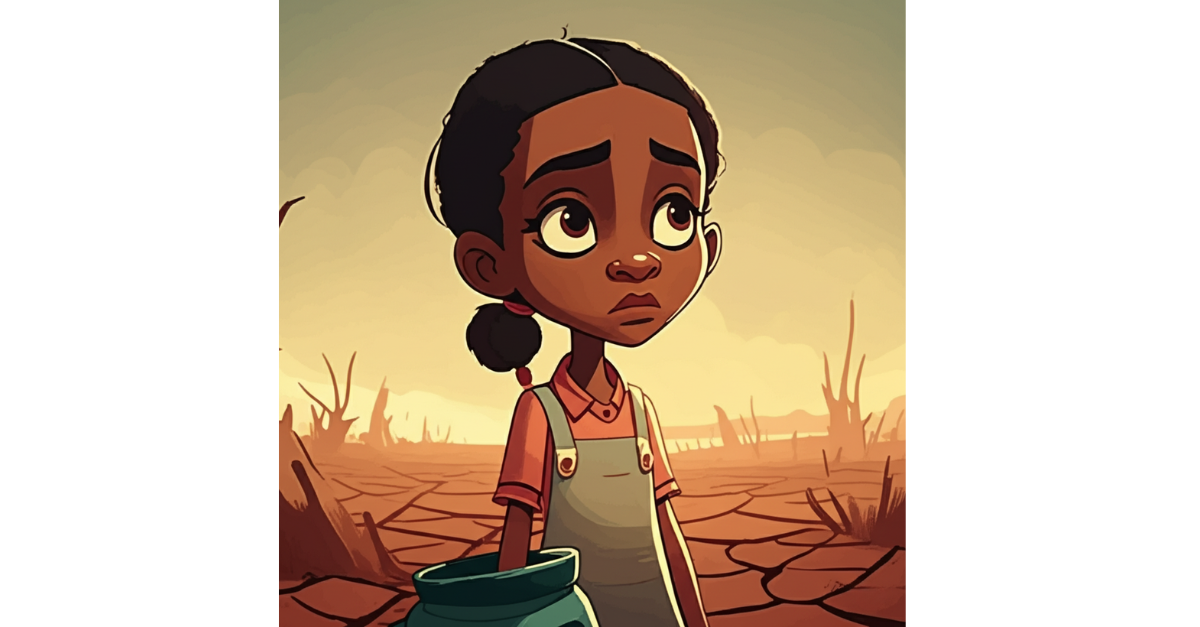
The issue of illegal sand mining is inextricably linked to the broader water crisis in Limpopo.
How can we talk about sustainability and social license to operate mines, when people just kilometres from multi-billion-rand mining infrastructure are living without a basic human right?
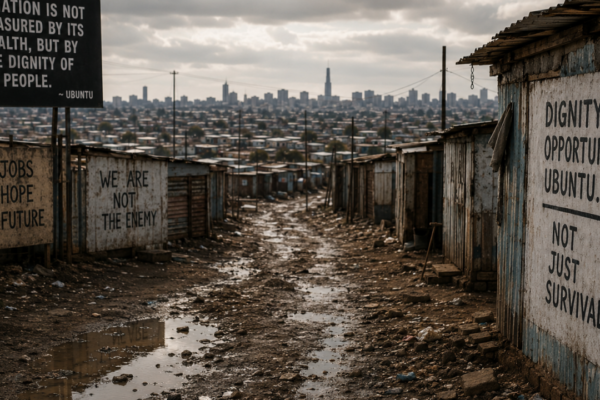
The situation in many Limpopo villages, where residents have gone for more than 15 years without a reliable supply of clean water, is a ticking time bomb. This is not a “rural problem”; it’s a profound failure of governance and a national credibility crisis.
- Who is accountable? In a July 2025 budget vote speech, the Minister of Water and Sanitation, Pemmy Majodina, stated that the bulk of the country’s water challenges “lie with water services at a municipal level,” citing a lack of technical skills and resources.
- The Minister also noted that 105 out of 144 water services authorities are experiencing a water service delivery crisis, contributing to a massive trust deficit in the sector. While the national department is responsible for bulk supply, it is the municipalities that are failing to ensure water reaches homes. Lack of maintenance of existing infrastructure, under-investment in new infrastructure, incompetence, and corruption mean that taps have been dry for years.
- The real cost of water neglect: A recent press statement from the DA in August 2025 highlights a specific example in the Sekororo villages, where residents have been without water for “17 years and R1.4 billion later,” despite promises. This is a stark example of what it means to build prosperity on a foundation of thirst. The human cost is immeasurable, and the long-term risks include increased social unrest and a breakdown of community relations, which directly impacts the “social license” of any business operating in the area.
This situation demands that we, as a country, re-evaluate how we prioritize people over profit.
If we can’t get water right, we can forget about trust, investment, and long-term sustainability. Whichever party we voted for in the past, as a nation, is, by association, guilty of this unacceptable situation.
Next time, vote for change, competence, and accountability.
-Z.B.S
A Note From The Editor: I have included some references to articles below. Feel free to read them and form your own opinions. Any findings, information/articles, or arguments are welcome in the comments section. I am here to be educated alongside you!
• DA Media Statement (June 2025) on illegal sand mining in Limpopo: https://limpopo.da.org.za/2025/06/da-calls-on-portfolio-committee-to-probe-unauthorised-sand-mining-and-eia-circumvention-in-limpopo
• SAPS Media Statement (January 2025) on arrests for illegal mining: https://www.saps.gov.za/newsroom/msspeechdetail.php?nid=58208
• Minister Pemmy Majodina’s Budget Vote Speech (July 2025) on water challenges: https://www.gov.za/news/speeches/minister-pemmy-majodina-water-and-sanitation-dept-budget-vote-202526-09-jul-2025
• DA Press Statement (August 2025) on Sekororo villages: https://limpopo.da.org.za/2025/08/17-years-and-r1-4-billion-later-still-no-water-for-sekororo-villages
– Yours Sincerely
Z.B.S










































Latest Posts