
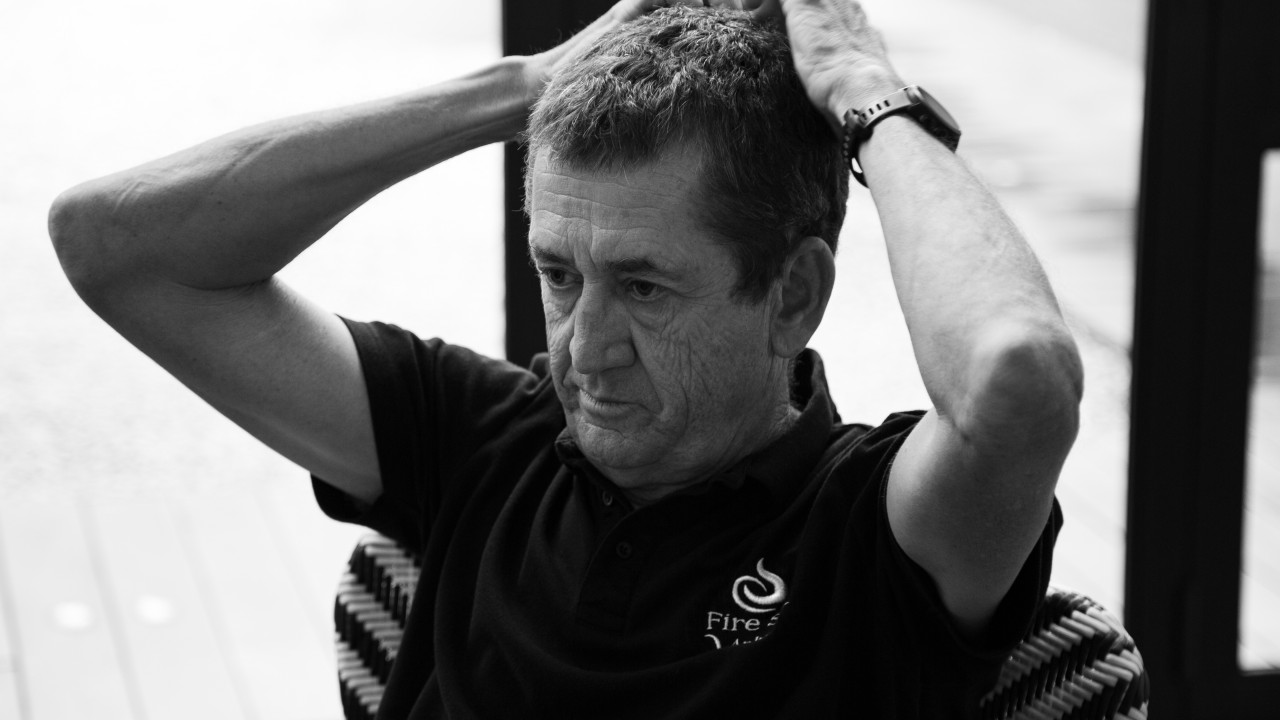
Because Human Beings Were Never Meant To Exist Only In Black And White!
The first thing that strikes you when travelling through parts of Europe is how remarkably functional everything appears to be.
Things run on time. Public infrastructure is maintained with impressive consistency. Cities that are centuries old still operate with a level of organisation that many developing nations struggle to achieve in newly built urban centres. Even the ordinary routines of life appear carefully structured and protected from unnecessary disruption.
For somebody coming from South Africa, particularly somebody involved in business or mining where unpredictability has become part of daily operating conditions, it is easy to look at this level of order with admiration and some level of jealousy.
And to be fair, there is much to admire.
Europe has built societies that are highly efficient, deeply institutionalised and, in many cases, historically extraordinary. Standing in Lisbon and looking across a skyline shaped by hundreds of years of cultural investment, engineering capability and national continuity, one understands immediately why so much of the world still looks toward Europe as a benchmark for development.
This should trigger all my Trump supporting and ‘Decolonisation’ friends equally.
But travelling also reminds you that societies should not only be evaluated according to infrastructure, GDP per capita or administrative competence. The emotional condition of a society matters too. That is where my reflections became more complicated.
The longer I travelled, the more I became aware of a subtle but persistent social distance that is difficult to describe unless one experiences it personally. People are polite but guarded, public interactions are efficient, but emotionally restrained, conversations remain largely within existing social circles and strangers coexist respectfully, but not necessarily warmly.
None of this is intended as criticism. Different societies evolve differently according to their histories, demographics, economies and social pressures. But as a South African, the contrast becomes difficult to ignore after a while.
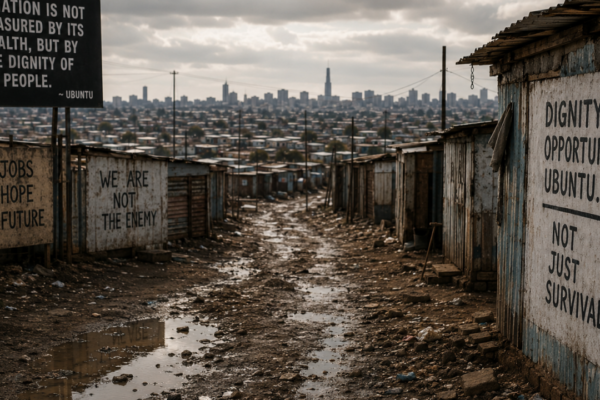
South Africa is many things, and not all of them good. We remain deeply unequal, crime remains a serious problem, political dysfunction has damaged public trust, infrastructure decay has imposed enormous economic costs and racial tension has not disappeared simply because it has become uncomfortable to discuss openly.
And yet, despite all of this, there remains an unusual degree of human engagement in everyday South African life that many of us perhaps only fully appreciate once we leave the country for a period of time. This certainly is true for me personally.
South Africans still speak to strangers regularly. We enjoy constantly debating, we laugh loudly in public and we involve ourselves in one another’s lives, sometimes excessively so. We stay emotionally expressive in ways that many more developed societies seem to have gradually moderated over time. Just ask any Australian how they experience us South Africans in social engagements.
Part of this may simply be cultural temperament. But I suspect a significant part of it also comes from the fact that South Africa is still one of the most genuinely diverse societies on earth.
According to recent demographic data, approximately 81% of South Africa’s population is Black African, around 8% Coloured, 7% White and roughly 3% Indian or Asian, with eleven (or is it 12?) official languages formally recognised within one constitutional framework. Then you add a few million legal and illegal visitors from neighbouring countries, Eastern Europe and Asia.
In major urban centres, people from dramatically different historical, linguistic, religious and economic backgrounds interact with one another daily in ways that remain relatively uncommon across much of Europe, certainly outside the major cities.
By comparison, many European nations remain considerably more ethnically homogeneous despite increasing migration over recent decades. France, for example, avoids official ethnic census categorisation altogether under its republican model of citizenship, while countries such as Poland, Hungary and others remain overwhelmingly demographically uniform by global standards.
This creates a very different social environment.
In South Africa, difference is not theoretical. It is immediate and unavoidable. You encounter it in schools, boardrooms, restaurants, mines, traffic queues and political discussions every single day. We do not have the luxury of pretending cultural difference does not exist because our society places it directly in front of us continuously.
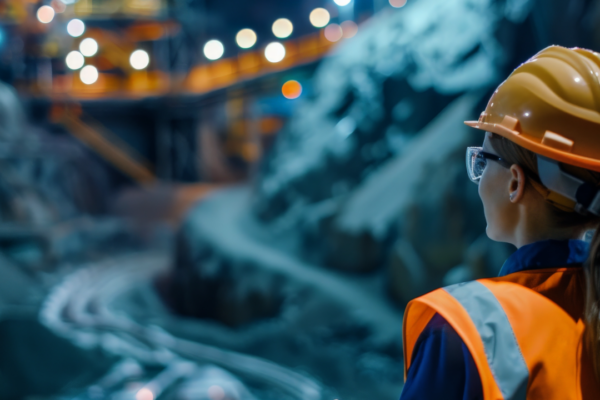
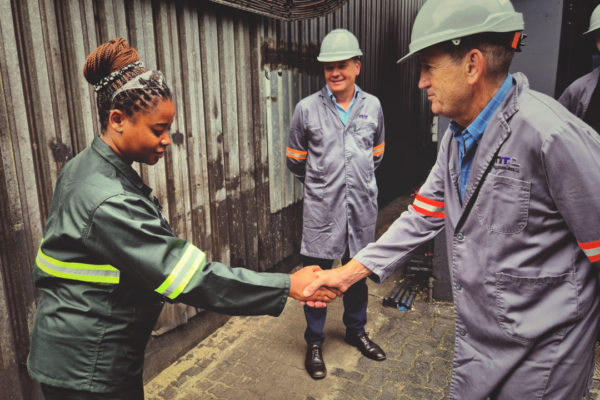
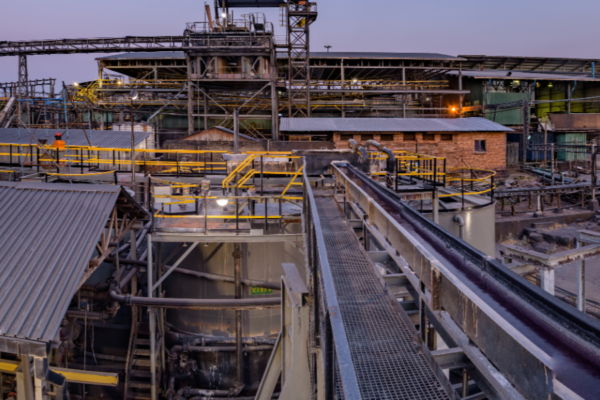
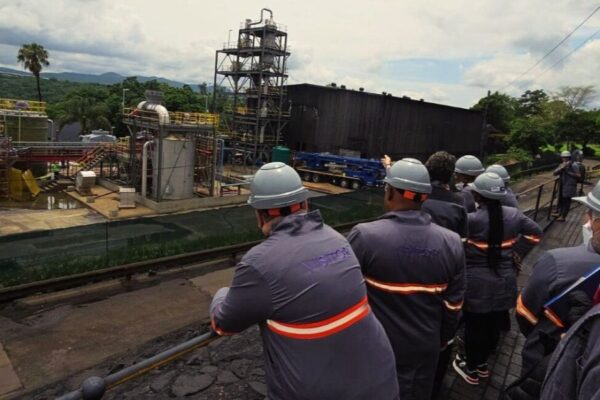
Anybody who has spent time on a large mining operation in South Africa understands this instinctively. Few environments force people from radically different backgrounds into closer daily cooperation than a mine. Engineers, geologists, artisans, executives, contractors and labourers from different language groups, cultures and political views operate within the same constrained ecosystem every day. It is not always harmonious, and nobody should pretend otherwise, but it does create a level of practical social negotiation that many societies never truly experience.
Mining, perhaps more than most industries, teaches you very quickly that people do not become effective because they are identical. They become effective when they learn how to operate alongside difference without allowing difference itself to become the centre of every interaction.
That is partly why I have become increasingly uncomfortable with the phrase, “I do not see colour.” I understand the intention behind it. Most people who use the phrase are attempting to communicate fairness or non-racialism and the motive is usually decent.
But there is also something incomplete about the idea.
Colour is not merely about race in its narrowest sense. It represents history, identity, memory, culture, inherited trauma, humour, language and worldview. To claim not to see any of it at all risks flattening the very things that make human beings distinct from one another. It is a key part of ‘diversity’ and anyone who knows me will know that I believe true diversity, especially diversity of thought, is our true superpower.
The real challenge is not to stop seeing differences. The real challenge is learning how to live constructively with difference while resisting the temptation to weaponize it politically or socially.
And sure, South Africa has not mastered this. Far from it. But we are at least forced to confront it honestly because our national reality does not permit avoidance for very long.
Ironically, many highly developed societies now appear to be struggling with exactly this question as migration patterns, economic pressure and political polarisation begin reshaping previously stable national identities. Across Europe and parts of North America, debates around immigration, nationalism, integration and social cohesion have become increasingly volatile because societies that historically experienced relatively high levels of cultural uniformity are now confronting demographic and ideological change at accelerated speed.
South Africans, for all our frustrations, have been wrestling with these questions for generations already.
That does not make us morally superior. It certainly does not make us economically more successful. But it may explain why South Africans often display a certain social adaptability that becomes noticeable when travelling abroad.
We are accustomed to complexity because complexity is our default setting.
What struck me most during this recent trip was not that Europe lacks beauty, sophistication or achievement. It possesses all three in abundance. What struck me was how easily people living in less stable countries can underestimate the human value of emotional openness, social warmth and cultural dynamism because we spend so much time focusing on what we lack materially.
South Africans frequently speak as though the country is permanently collapsing. Sometimes one understands why, the evidence can feel overwhelming. But, South Africans are also so unserious when it comes to handling our crisis with humour.
Travelling reminds you that highly functional societies carry their own forms of fragility. Loneliness exists there too, as does social alienation, political tension and cultural anxiety…it all exists there too.
Human beings do not become emotionally fulfilled simply because public transport works properly. It would be so great if it did. Perhaps that is why, despite all our problems, South Africa still feels alive in a way that many societies no longer do.
Not because we have solved our problems. And certainly NOT because we are more virtuous. But because we are still deeply engaged with one another in ways that many parts of the modern world appear to be slowly losing.
And perhaps that is something worth protecting while we continue trying to fix everything else.
~ Z.B.S



























Latest Posts