
“Rescue the Mining Sector”, but what will be different this time?
I recently read an article titled “Called to rescue mining sector,“ and it struck a nerve. The article profiles Thabo Mashongoane, CEO of the Mining Qualifications Authority (MQA), whose focus on upskilling and youth training is precisely what this industry needs. And yet, we’re still bleeding jobs and watching the industry retreat.
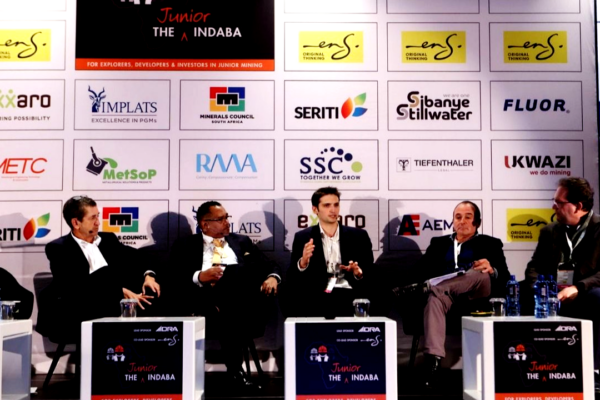
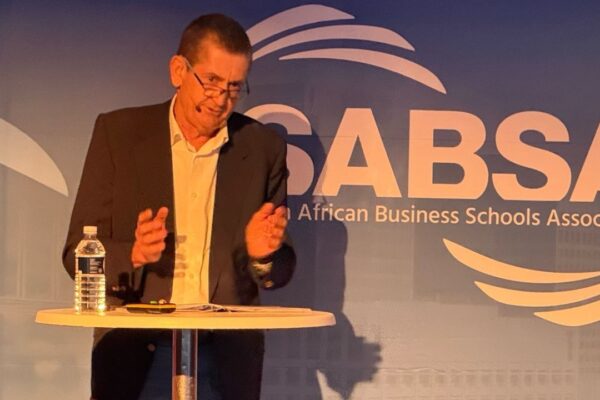
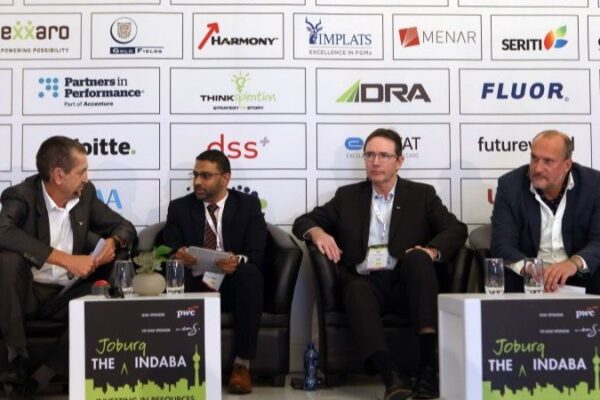
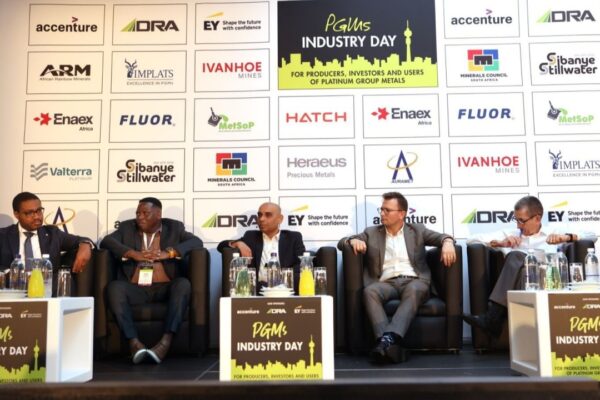
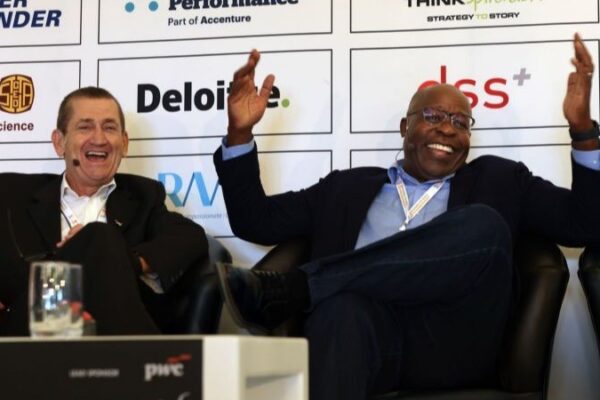
I was super hyped when I saw that I was scheduled to be on a panel with Thabo at the University of Johannesburg’s Mining Engineering Department’s 100-year celebration. Before you point out that it’s impossible, as UJ itself is not that old, remember that this is the old Wits Technicon that got incorporated into UJ some years ago. Due to very ‘flexible’ programming, we ended up on a 5-person panel, with each one of us having a few minutes to make our contributions. Sadly, I didn’t get to hear Thabo expanding on his claim of how the industry’s SETA will be contributing to “Rescue the mining sector.”
To my total surprise, when we were getting miked up backstage, I was told that I would be asked the following question: What would you do to make the mining industry sustainable for the next 100 years, if you were the Minister of Finance? It certainly got me thinking, but obviously, I was never going to do justice to such a rich topic in 2 minutes of off-the-cuff comments, so I feel like there is a future ZBS Newsletter loading….
One of the reasons I got involved in this event was that I saw PDK Robinson, who played a huge role in my career, would be present! At 90 years of age, he is the oldest alumnus of this school, and in a very sweet ceremony, he was joined in cutting the schools birthday cake by the youngest current student.
When I reflect on generational impact and legacy of my own story, I always refer back to PDK and his impact on me. A few years ago, he handed me a copy of his book about his life in mining. I have to admit, I immediately scanned for my name and turned the pages directly to the only reference to me in the whole book.
Now the amazing thing is that if I ever decided to write a book about my mining career, PDK would loom large; the impact he had on me and my career was immense, but also on many other young professionals like myself. However, the single reference to me in his story was a diary entry he had made on the day that I resigned as GM of Beatrix to become the CEO of Harmony. He simply reflected that it was a disappointment because he had me earmarked to succeed him in the future.
I often reflect on the irony of how we see ourselves rarely ever matches the way others experience us… Perhaps there is another Z.B.S. article in that thought as well.
Back to Thabo’s point: It’s not that we lack talent or potential. (Even this is a well-contended point which we will have to come back to in the future!) The real failure lies in political inertia, bureaucratic congestion, and a broken system that penalizes ambition. Since I joined the gold mining industry 45 years ago, we’ve lost 440,000 jobs—that’s 35 jobs per day. Our gold mining GDP share has plummeted from 20% to just a portion of the 6.3% the whole industry now contributes, and we command less than 1% of global exploration spend.
It’s time to cut the pleasantries and get to the truth: our policies are making us “uninvestible.”
Acknowledging the Root Causes
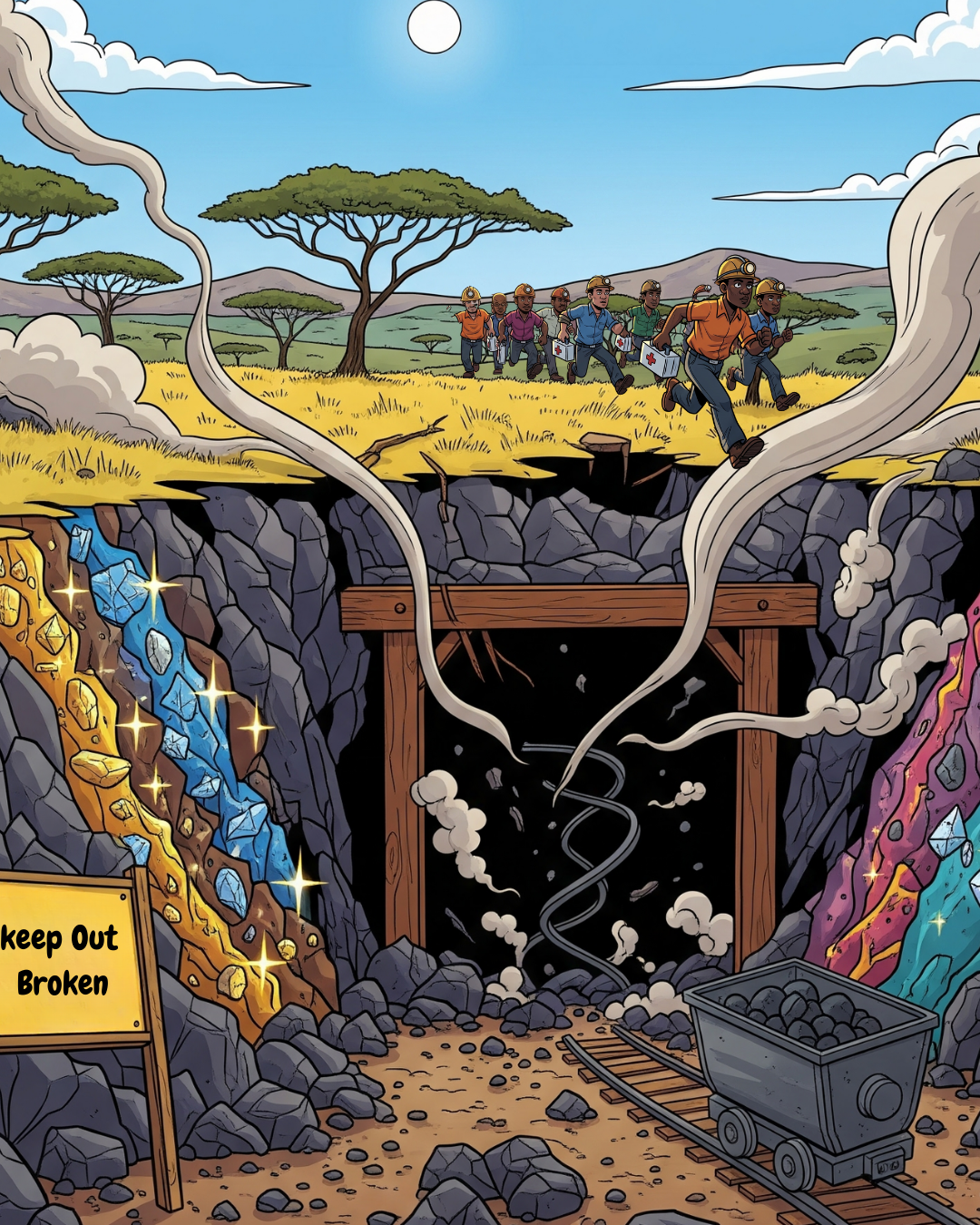
Before we can fix it, we have to admit what’s broken.
- Policy Uncertainty: We’ve watched policies swing with elections and cabinet reshuffles, all without a coherent long-term strategy. This instability pushes private capital to the sidelines.
- Energy Reliability and Affordabilty: Eskom’s outrageous increases and unpredictable outages aren’t just glitches; they are a structural drain on every project, every refinery, and every productive shift. The opportunity cost is enormous.
- Regulatory Friction: Permitting, licensing, and compliance are essential, but when timelines are opaque, project economics go sideways, and confidence erodes.
- Social Contract: Communities want jobs and development. Without tangible empowerment and transparent governance, the social license to operate quickly frays.
Of course, there are many more, but let’s fix the few critical ones first.
My Realistic, No-Bull Action Plan
This is not a fantasy. It’s a plan with concrete steps, clear owners, and measurable outcomes.
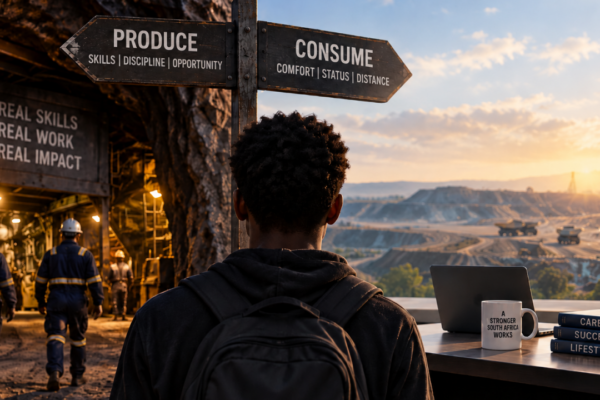
1. Turn Skills into Jobs
Partner MQA-style training with real pipelines into active projects. The sector needs more than just learners; it needs hire-ready artisans, technicians, and innovators with clear pathways to employment. And our graduates, artisans, and technicians need practical work experience.
2. Fix Red Tape, Fast
Introduce a “one-stop window” permitting process with legally binding Service Level Agreements (SLAs) and defined turnaround times. Transparency is key; publish performance dashboards showing agency responsiveness and delays. Accountability should underpin any serious intervention.
3. Invest in Exploration, Seriously
What South Africa needs isn’t another small fund for junior miners. We need billions in risk-ready capital — public, private, and blended — to unlock new discoveries. Anything less won’t make a dent.
At the very least, we should match what other countries already offer in terms of real incentives, tax credits, and certainty of tenure. Without that, we’ll keep falling behind.
4. Let Logistics Follow Mining
Unlock Transnet and allow private rail to operate. Clear the bottlenecks at ports. You can’t mine if you can’t move resources safely and affordably. Declare our export corridors as critical infrastructure and secure, maintain, and expand them.
5. Put People First
Real transformation doesn’t come from quotas but from empowerment. We must ensure communities benefit directly through jobs, entrepreneurship, and shared infrastructure. You all know that I believe real and coordinated local procurement will turn today’s mining towns into Joburgs of the future, rather than Welkoms.
Track progress with public scorecards to ensure accountability.
Accountability Starts Now
Everyone, the media, leaders, unions, and mining companies, must stop pointing fingers and step into the ring.
We need to move from blame to delivery.
- Public Scorecards: Every major project of national importance must publish a monthly progress dashboard detailing milestones, budget, permitting, and energy reliability.
- Leadership Accountability: If a regulator misses an SLA, there must be a transparent escalation path with real consequences.
- Community Outcomes: Track local job creation, wage uplift, and skills training with quarterly reports and independent audits.
We are failing, yes, but we are also damn capable of doing better.
We must stop trying to rescue mining from decline by doing more and more of what we did in the past and start rescuing it through reinvention. It will require courage, candour, and a willingness to reform the boring but essential bits like policy stability, energy reliability, streamlined regulation, and real local value creation.
Let’s not wait for “better days.” Let’s build them.
This is Zero Bullsht! If you’re part of the chain: a miner, a refiner, a policymaker, a financier, a community leader, or just someone interested in our world and country…let’s start a conversation.
There’s no better time than now to reset, recalibrate, and deliver.
– Z.B.S
































Latest Posts