
Welcome to the second edition of ZBS. This is your straight-talking take on mining, strategy, and what really matters in shaping the future of South Africa’s resource sector.
In this edition, we unpack three of the most pressing issues gripping the industry right now, through a lens that doesn’t shy away from the messiness of geopolitics, investor angst, and the challenge of turning good ideas (like ESG and beneficiation) into good business.
1. ESG: The Trojan Horse or the Ticking Clock?
We’ve spent the last year watching ESG morph from boardroom buzzword to political football. With increasing scrutiny on critical minerals and supply chain ethics, ESG isn’t just a set of checkboxes anymore; it’s a test of credibility.
In the global mining context, ESG has become a diplomatic tool as much as a compliance exercise. As European economies double down on green transition commitments, they’re demanding transparent, ethical supply chains. For African miners, this means playing by rules we didn’t write, but still being held to them.
The real question is: are we using ESG to secure our place in global value chains or letting it become another form of exclusion?
From lax environmental standards in China, to the U.S. Inflation Reduction Act requiring ethically sourced minerals, the tone is clear: if your ESG doesn’t stand up to third-party scrutiny, your product may not make it into the global green economy. It’s not optional anymore.
So what exactly is the opportunity?
By ensuring that the actionable steps of environmental stewardship, socially responsible business practices and good governance, even when no one is watching, in other words, getting all the people in the company to understand it and to deliver it, because they know and believe that the company really, REALLY means it.
That’s how a perceived cost, becomes a sustainable, competitive advantage!
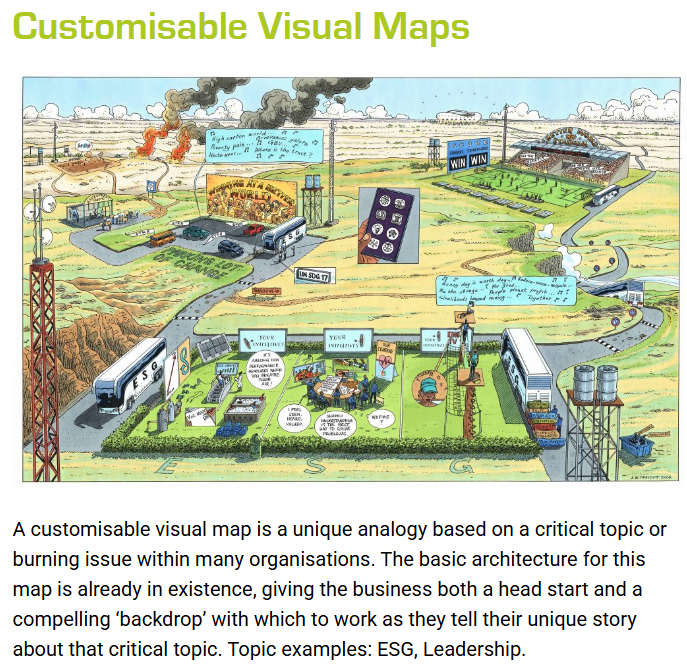
Tools like customisable ESG Visual Maps are so powerful in embedding ESG into company culture.
2. Investor Confidence in an Era of Strategic Resource Wars
Here’s the brutal truth: investors are more nervous than ever, and not without reason. We’re operating in a world where governments are re-prioritizing critical minerals like it’s the new gold rush, and where commodity nationalism is no longer a fringe idea, but official policy.
Look at the EU’s Critical Raw Materials Act, or the U.S. Defense Production Act being used to fast-track local processing and sidestep China. Meanwhile, BRICS countries are quietly forming new resource alliances, and South Africa has to decide where it stands.
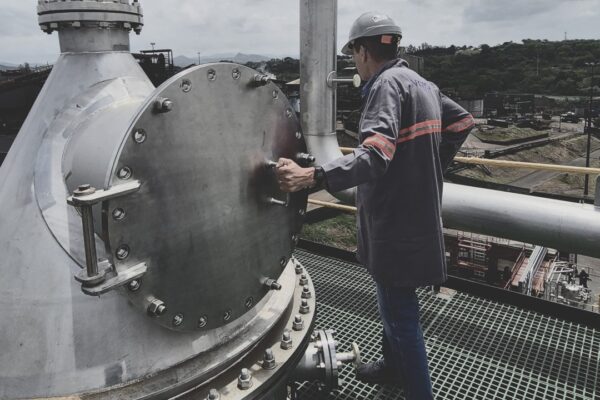
If our current ‘Pit To Port’ approach is what we want, then China is a great and growing market for our ore!
However, if we want to do more than just talk about value add and beneficiation, then China is the toughest possible competitor and not playing by ESG rules or standards that we should copy!
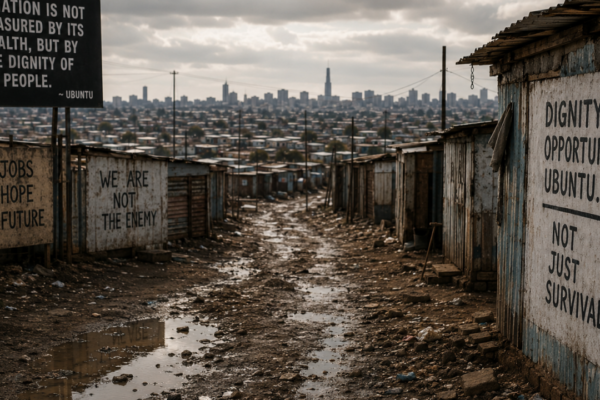
The result, you ask? Investors want clarity. They want geopolitical risk de-risked. They want stable regulatory environments, clear ESG narratives, and infrastructure that doesn’t collapse every time it rains.
But mining execs need to boldly allocate capital in this uncertain environment, picking a winning strategy.
If we want to attract investment into South Africa’s mining and beneficiation space, we need more than good geology. We need to show that our value chains are resilient, ethical, and competitive.
3. The Future of Beneficiation: From Exporter to Value Creator
Beneficiation is no longer a nice to have, it’s a geopolitical necessity. The world wants batteries, not bulk ore. Cathodes, not concentrates. Finished goods, not just feedstock.
Countries like Indonesia have rewritten the rules of engagement. By banning raw nickel exports and forcing local processing, they’ve changed their economic destiny. Or, did they tie their destiny permanently to China instead?
Africa can do the same—but it won’t be easy. South Africa has the industrial base, the skills, and the mineral wealth. What we need is policy alignment, infrastructure reliability, and serious public-private coordination.
More importantly, we need to move beyond political rhetoric. Beneficiation requires patient capital, technology partnerships, and a long-term playbook. It also demands that we prioritize local capability development, real jobs, real skills, and real equity.
We can unpack the challenges of beneficiation in much more detail in a future edition of Zero Bull Sh*t.
Where Do We Go From Here?
This is a moment of global realignment. The post-COVID world is fractured. Tariffs are re-arranging the world order. Everyone wants control of their supply chains. For South Africa, this is a risk, and an invitation.
It’s time to use our natural endowments not just as bargaining chips, but as building blocks for a different kind of future. One that demands credibility, demands vision, and most of all, demands action.
See you in the next edition. And as always…Keep it zero bullsh*t.
– Z.B.S












































Latest Posts