
Two Stories, One Question About South Africa’s Future
This week, two headlines caught my eye.
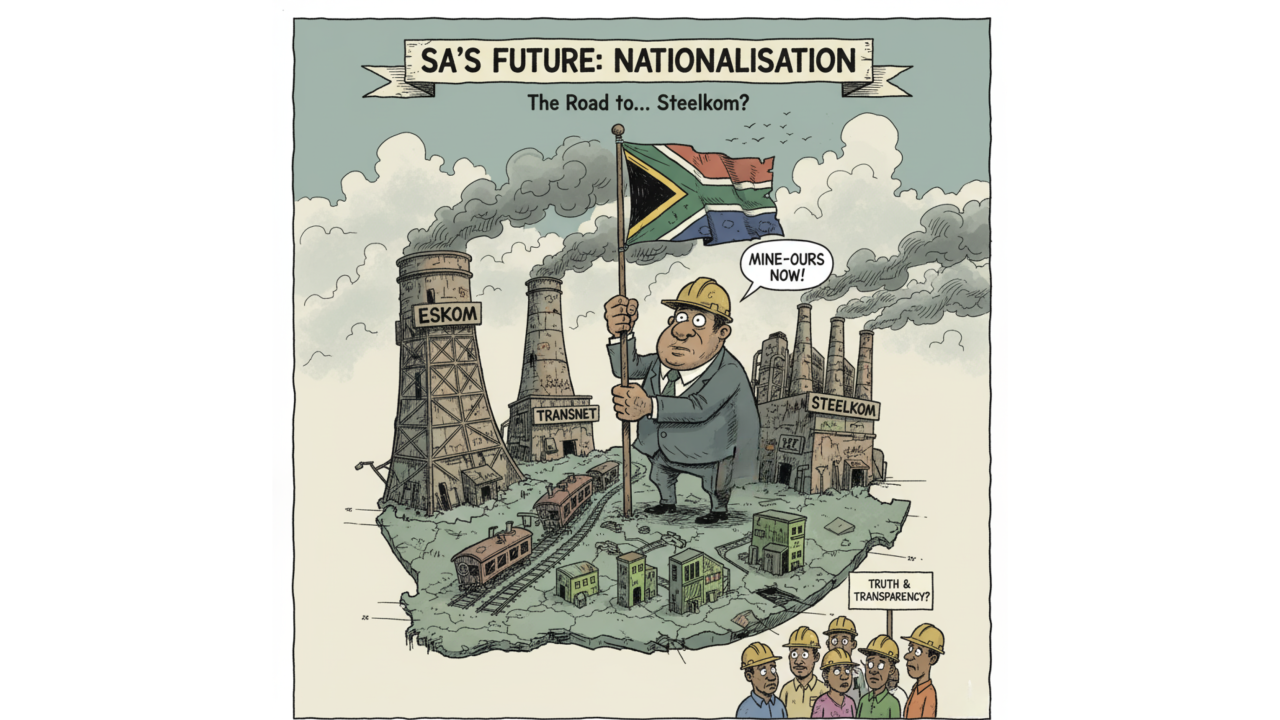
On one hand, we have the call to nationalise
ArcelorMittal
South Africa (AMSA) to save jobs and revive our struggling steel sector. On the other hand, the
Anglo American
–
Teck Resources Limited
$53 billion megamerger creating one of the largest copper producers in the world.
At first glance, these may look like very different stories… one local, one global. But for me, they both point to the same underlying question: what do these moves mean for the longevity of business, and ultimately, for South Africa’s economy?
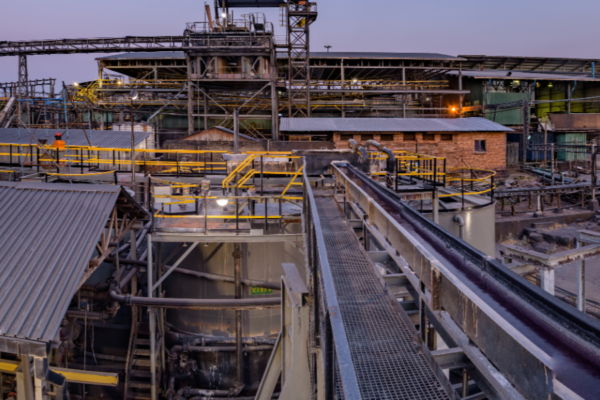
Steel Under Siege: The AMSA Debate, South Africa’s steel industry is bleeding. The closure of AMSA’s long-products business threatens 3,500 direct jobs and up to 100,000 indirect ones. Unions want the government to nationalise the company, arguing that steel is too strategic to lose.
The Facts:
- Steel remains vital to our industrial base; steel underpins mining, manufacturing, and construction.
- Job losses on this scale would ripple through communities and supply chains.
- Nationalisation could, in theory, protect jobs and preserve a strategic industry, but structural reform is the real solution..
My Opinion
I don’t believe nationalisation is the answer.
We’ve seen what happens when state-owned enterprises are weighed down by politics, inefficiency, and corruption. Eskom, Transnet …do we really want to add “Steelkom” to that list?
What we need is public-private pragmatism: a hybrid model where government, labour, and the private sector share responsibility. Protecting jobs matters, but so does ensuring competitiveness. If steel becomes another SOE, we risk short-term relief but long-term decline.
For full disclosure, I was the CEO of Harmony when we ultimately won a case of excessive pricing against the then Iscor (now AMSA) some 20 years ago. Do we really believe a leopard can change its spots and become competitive? Competing against cheap imported steel from China needs the South African economy to sort out the underlying structural issues like for example the cost of power.
Copper on the Rise: Anglo Teck (Should have been AngloCopper)
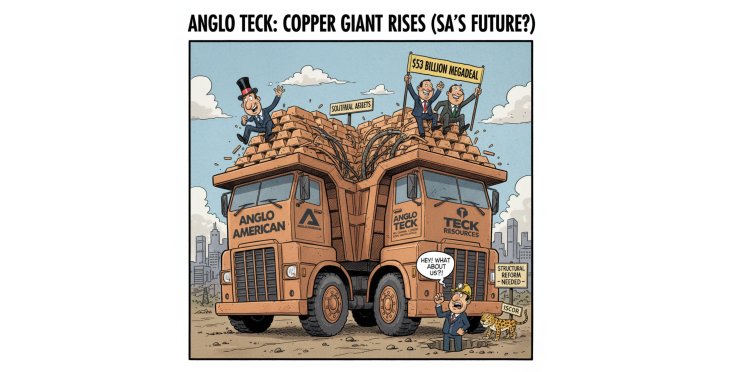
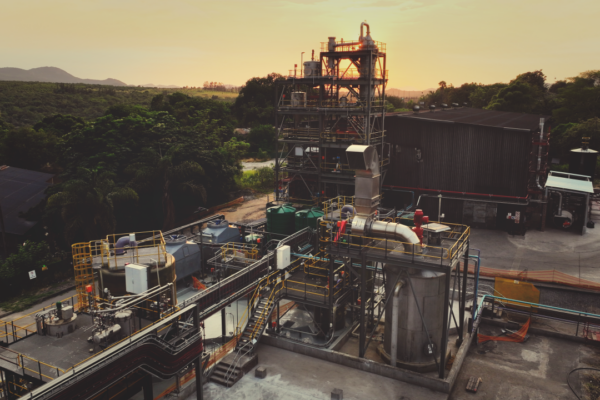
Meanwhile, on the global stage, Anglo American and Teck Resources have just sealed the second-largest mining deal in history. A $53 billion all-share merger, creating “Anglo Teck”, a copper giant, born in South Africa, headquartered in Canada, and listed in London.
The Facts:
- Combined, they’ll become one of the top copper producers globally.
- Real operational synergies in Chile could yield $800m in annual savings.
- The deal pivots Anglo away from coal, diamonds, and even PGM exposure, doubling down on copper.
- Demand for copper isn’t just about renewables anymore; it’s also about AI data centres, electrification, and defence. Copper is becoming the oil of tomorrow.
My opinion:
This is bold, decisive, and follows less than 18 months after BHP tried to take over Anglo.
One can’t help but wonder if this is still a reaction to that traumatic experience.
There was always chatter about BHP returning for a second bite once Anglo was done with slimming itself down, almost exactly as BHP was suggesting. Scale matters in mining, and copper is the commodity of the future. But there are risks.
By focusing so heavily on copper, Anglo Teck is now tied to the fate of one commodity. And while Chile looks strong today, overexposure to one jurisdiction or metal is dangerous. Doubling up on copper may still turn out to be a sweetener, not the poisonous pill that will keep the gorillas from the gate.
For South Africa, the signal is sobering. Anglo was once “our” company, deeply tied to Johannesburg. Now, more than ever, the centre of gravity shifts elsewhere. South African assets and influence risk becoming side notes in a global playbook written in London, Vancouver, and Santiago.
What It Means for Us
Put together, these two stories tell us something critical: the mining and industrial world is reorganising fast, and South Africa is NOT the centre of gravity anymore.
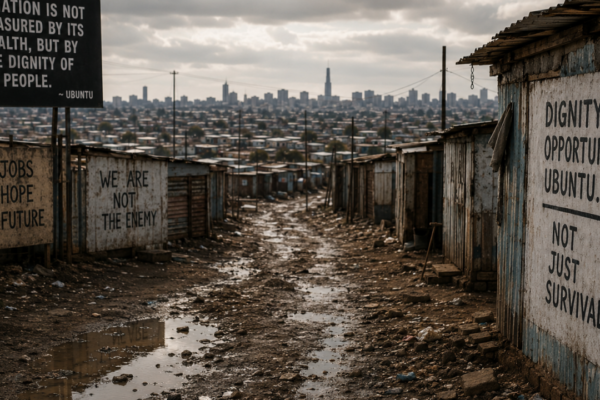
- If we cling to outdated solutions like blanket nationalisation, we risk turning inward while the world moves on.
- If we fail to create stability and competitiveness, investors and companies will keep shifting their focus and money elsewhere.
- But if we face these realities with truth and transparency, we can adapt. South Africa’s mining and refining sector still has a role to play in global value chains. We just need to be honest in our assessment of what’s wrong and disciplined about fixing it.
Final Thought
Do deals like Anglo make businesses more sustainable in the long run?
Possibly…if the synergies are real, and the strategy is sound.
Does nationalisation save jobs in the short term?
Maybe, but often at the cost of long-term competitiveness.
The uncomfortable truth is this: longevity in business comes not from slogans or sentiment, but from discipline, clarity, and adaptability. Only the fittest should survive!
That’s my view. But I’d like to hear yours:
- Should South Africa protect critical industries like steel through nationalisation?
- Or should we double down on competitiveness and partnerships to avoid being left behind in the global mining race?
Let’s have a conversation in the comments section.
— Z.B.S









































Latest Posts