

The Rand is Lying to You, and It’s a Problem
We’ve all been conditioned to believe that a “strong Rand” is a good thing for South Africans. Smart people like former Finance Minister Trevor Manuel used to say: “The Rand is the share price of the country. If it’s strong, it means we’re doing well”
You see the Rand firm up against the dollar, and you think, “Great! We’re doing well.”
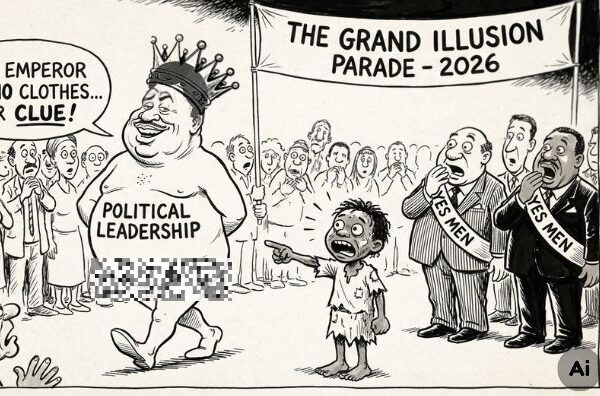
But what if that’s a misrepresentation? Just like a rising share price may be reflecting short term results over longer term sustainability, a strong Rand may not be reflective of our economy’s long-term health.
A stronger Rand might make you feel richer today, but it’s actively hollowing out the very industries that create jobs and drive our economy.
Let’s get real about what’s happening.
But, why would I, someone who is clearly not an economist, dare to challenge you to think about something which is held up as an unquestionable truth!
Perhaps the economy is just too important to leave to only economists and policy makers. Perhaps after decades of pursuing certain outcomes unsuccessfully, it is time for us all as rational people to start debating the very things we were taught are fundamental truths.
I would argue that China did phenomenally well with a currency which all their competitors call ‘too weak’, whilst Donald Trump is clearly of the opinion that the US Dollar’s strength has destroyed America’s manufacturing base.
So, my challenge is this: let’s think for ourselves.
Let’s reflect on our own lived experiences, let’s test the obvious correlations to see if it is indeed a causation, or not. However, just because you, or I, formulate an opinion for ourselves, doesn’t necessarily mean that we are correct.
The case for a strong Rand is a convenient fiction we’ve been led to believe, and due to a lack of self-investigation, we have never stopped to question it. Like most inexplicable truths and societal concepts…the pros only feel good in the short term.
Let’s look at some seductive half-truths:
- You’re Not Wrong, But You’re Not Right: A stronger Rand does make imported goods cheaper. This means lower prices on everything from cars, fuel and medicine to the electronics on shelves. It helps consumers and retailers, and it brings down inflation, which is a good thing for everyone, especially the poor.
- The Borrowers’ Relief: For businesses and the government with debt in foreign currency, a stronger Rand means their debt costs fall. Lower inflation risk can help lower interest rates. Although our Reserve Bank’s conservative (some would say aggressive) approach to having high real interest rates, negates most of this theoretical benefit.
- A False Sense of Wealth: A strong Rand can make our foreign-currency-denominated spending whilst traveling overseas stretch further, which feels like a win.
The problem? These are all short-term gains that hide a much more dangerous, long-term rot.

A strong Rand is sadly a cancer on our productive, job-creating export sectors. If we were to explore the real cost of what is essentially a crisis in plain sight, these would be the ugly, but transparent truths:
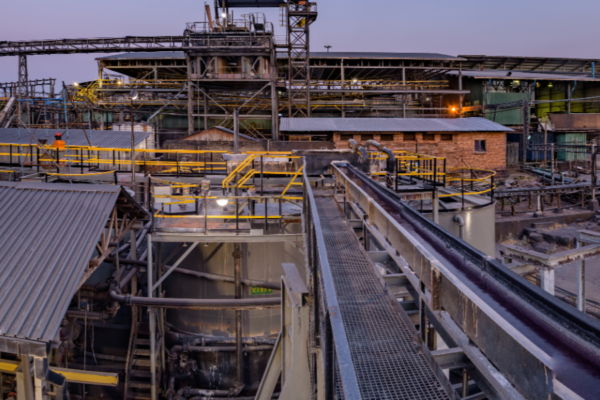
- Export Competitiveness Dies: Our core export industries like mining (PGMs, coal, manganese) and agriculture (citrus, wine) price their goods in dollars. When the Rand strengthens, they earn fewer Rands per dollar. This directly eats into their margins and makes them less competitive globally, leaving them no choice but to cut costs and jobs.
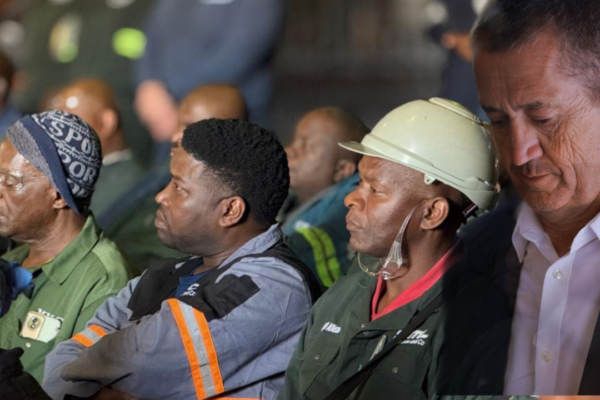
- Jobs Disappear, Especially in Rural SA: The most brutal part of a strong Rand is its impact on employment. It causes export-driven, labour-intensive industries to shed jobs in rural communities, where the unemployment crisis is most acute. While a few retail and logistics jobs might open up in cities, it’s a poor trade. The people who need jobs most are the ones losing them.
- A Looming Fiscal Hole: When mining companies’ revenues fall, so do their tax and royalty payments to the government. We’re cutting off the very revenue streams we need to fund our national budget.
- The Rich Get Richer: A strong Rand encourages capital shifts away from job-creating industries into sectors like property and consumer goods. We’re creating a more unequal society, where a few urban centres get richer (and more and more shopping centres!) while rural, mining, and farming districts get left behind.
So, Who Really Wins and Who Loses?
Let’s break it down in black and white, according to how I see it:
Beneficiaries:
- Retailers and consumers (cheaper electronics, clothing).
- Healthcare, telecoms, and airlines (cheaper imported equipment and fuel).
- Borrowers with foreign-currency debt.
Disadvantaged:
- Mining, agriculture, and manufacturing exporters.
- The tourism and hospitality sector.
- Import-competing manufacturers.
- The poor and unemployed in rural areas.
The conversation about a strong or weak Rand is a distraction. The real answer is not a strong or a weak Rand, but a stable, competitive, and predictable one.

The Finance Minister and government should stop obsessing over currency strength and start focusing on the core, structural issues that truly determine our competitiveness and employment:
- Reliable and affordable Energy: You can’t grow an economy and create jobs without a reliable electricity supply. Any increase in energy cost above inflation can only be offset through a weaker currency if we want to be an exporter of goods.
- Logistics: Our ports and rail need radical reform to unlock economic potential. The new private concessions is indeed a promising start.
- Policy Certainty: Investors need to know the rules won’t change on a whim. The Reserve Bank shouldn’t be allowed to unilaterally adjust the inflation target without considering it’s impact on the longer term health on the economy and job creation.
If we fix these things, the Rand will find its natural, healthy equilibrium, one that supports both exports and consumers. The solution isn’t in a number on a screen; it’s in the hard work of building a functional economy.
This is my Zero Bullsht view, and it might differ from yours, (especially if you are an economist by training) so let’s talk about it.
What do you think is the single most destructive myth we believe about our economy? And what are your thoughts and feelings on the Rand value?
Remember, silence is compliance.
– Z.B.S
















































Latest Posts