


While Everyone Watches Oil In The Strait Of Hormuz, The Platinum Market May Have Far Less Margin For Error
Everyone is obsessed with the Strait of Hormuz today. The cameras are fixed on the 20 million barrels of oil moving (or not moving) through that narrow corridor, and the panic (as usual), is focused entirely on the price at the pump.
It’s the most predictable script in geopolitics.
But while the world is distracted by oil, I’m looking at a much thinner, much more dangerous “chokepoint” that global markets, and our own policymakers, seem to have forgotten.
The Platinum market is currently running on fumes.
We’ve seen this movie before. In 2022, when Russia invaded Ukraine, Palladium went vertical, hitting $3,000. Why? Not because the mines vanished overnight, but because the market realized it had zero margin for error. Today, Platinum is in a far tighter corner. According to the WPIC, we are staring down the fourth consecutive year of structural deficit. Our above-ground stocks have been bled dry to roughly four months of global demand.
Let’s be blunt: If global logistics or energy costs (driven by the Gulf) sneeze, the Platinum market doesn’t just catch a cold, it goes into cardiac arrest.
Speaking of cardiac arrest, I’ve been around long enough to have spent 40 years in this game. I remember when they called South African Gold a “sunset industry” 30 years ago. Tell that to Harmony Gold today.
Now, I hear the same “terminal decline” nonsense about PGMs.
It’s rubbish. The irony is thick: The world is pivoting to hybrids and hydrogen, technologies that depend on the metals we pull out of the ground in Rustenburg and Limpopo, yet the global market acts like this supply is a given.
It isn’t.
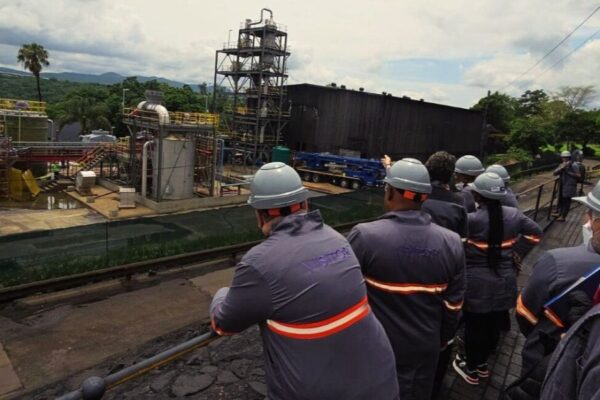
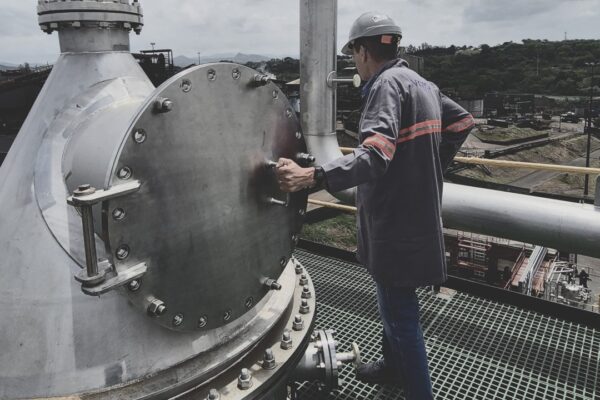
We sit on 70% of the world’s primary supply, yet we treat our mining sector like a piggy bank that never needs a deposit. We battle unsustainable power increases, crumbling infrastructure, and a “pit-to-port” mentality that exports our future for a quick buck. We’ve had generations of capable mine managers, but we’ve forgotten how to be explorers and industrialists.
Commodity markets are incredibly “patient” until they aren’t. They move at a glacial pace for years, and then, because of a spark in the Middle East or a policy blunder in Pretoria, they move violently.
If the Strait of Hormuz stays closed, oil prices will hurt. But a supply shock in a market with only weeks of inventory? That’s not a price hike; that’s a systemic breakdown for the automotive and chemical industries. History tells us that investors in the metals will amplify this shortage as they look for opportunities.
The world is remarkably relaxed about our “concentrated” supply chain. Perhaps they shouldn’t be.
The larger narrative of moving dependency on critical materials away from China to the friendly and safe Saudi is one that may not survive the new reality in the world of aggressive and uncontrolled power.
The question is: When is South Africa going to start acting like we hold the cards? Or at least some of them.
It is interesting to note that the only 2 critical minerals in which there has been almost no political interference by a government, happens to be the 2 where South Africa is the dominant player, namely PGMs and Manganese. Makes one think, why is that, and are we missing an opportunity to leverage our mining of ores into real political power?
Because right now, we’re playing like we’ve already folded.
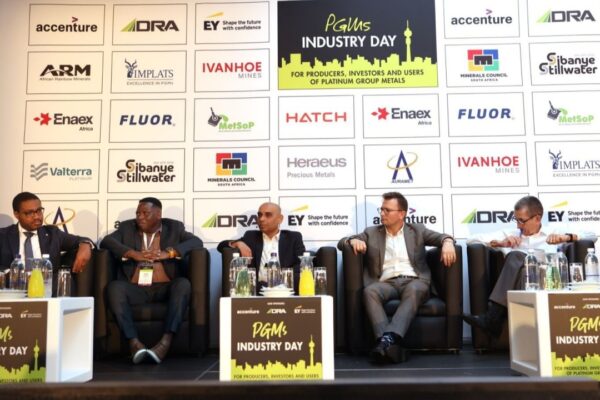
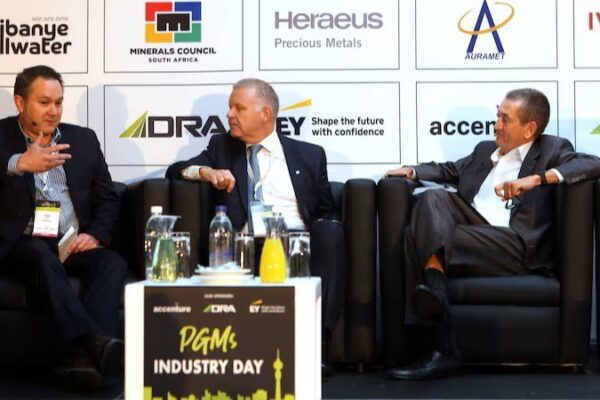
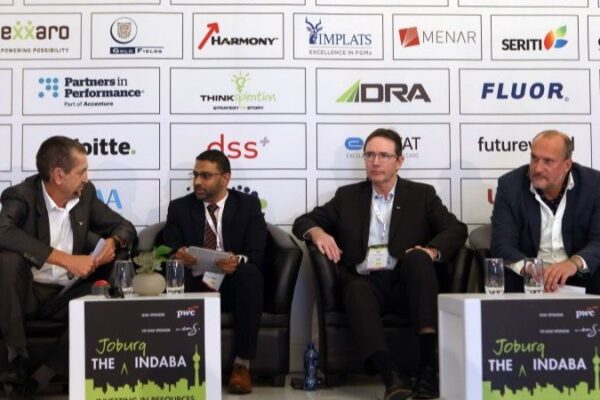
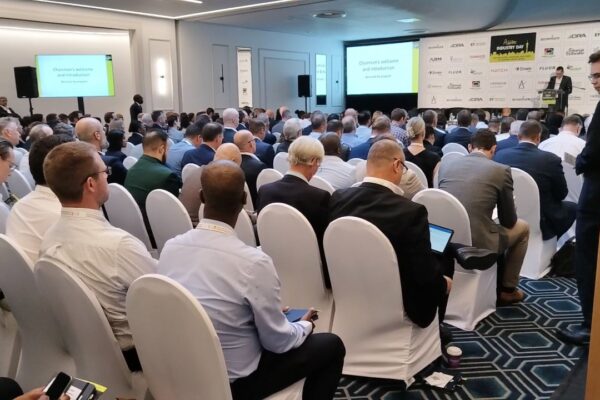
At next weeks Resources for AfricaPGM Day in Joburg, I want to hear from the CEOs and the ‘experts’ in my network: Are we waiting to wake up to $3,000 Platinum, or are we going to be fixing the rails and the power whilst the world is changing?
My ‘ZBS Barometer’ is turned on, so let’s be respectful, frank, and provide solutions not just complaints.
~ Z.B.S.









































Latest Posts