
Are We Actually Progressing, Or Are We Just Being Busy Bodies?
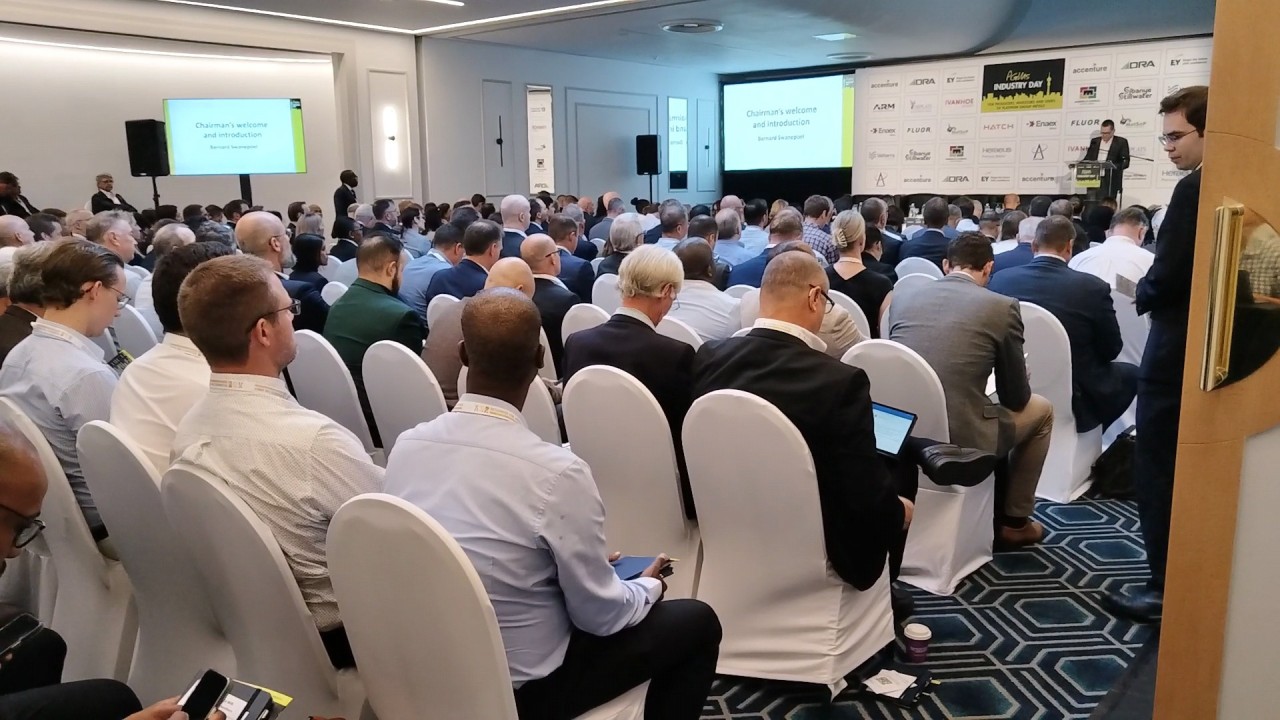
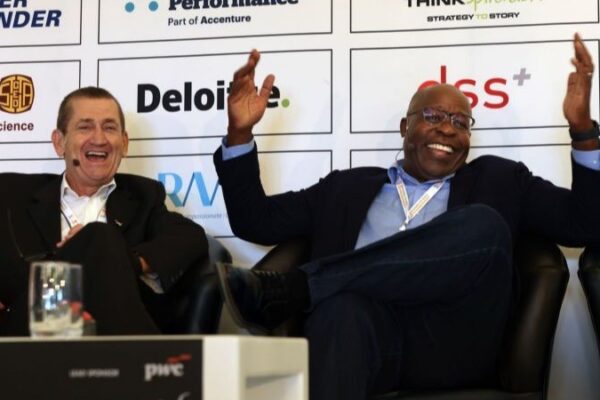
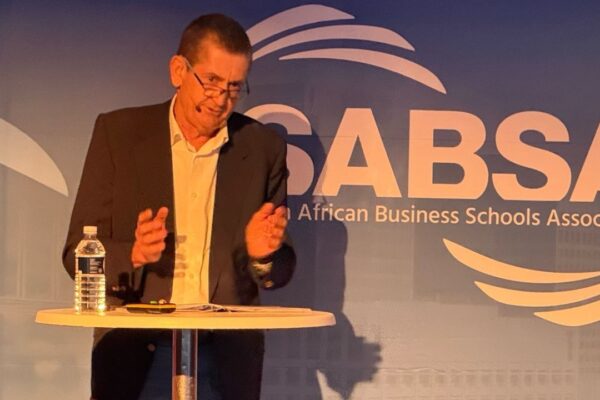
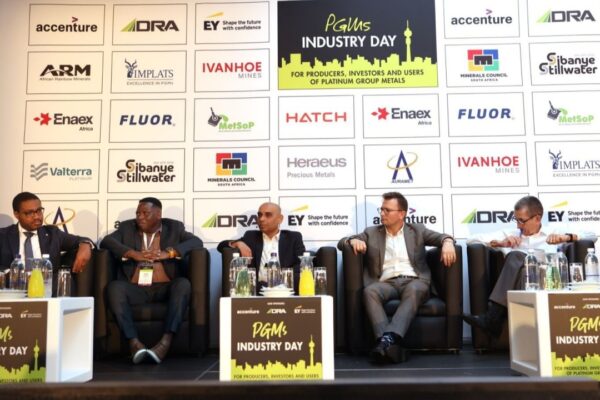
I had the privilege of chairing
Resources for Africa
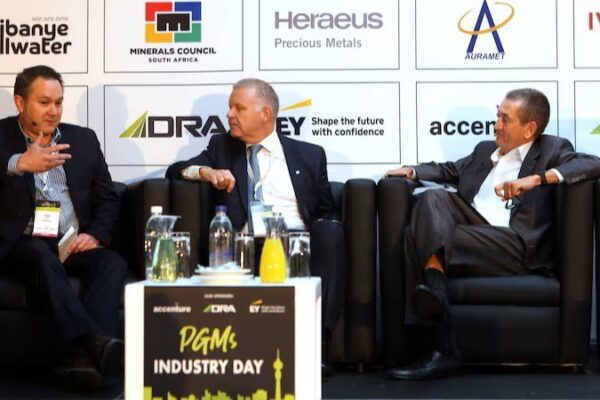
PGM Industry Day earlier this month. It was, by most measures, a strong event with great content, robust debate, and a sense that this sector still matters in a world increasingly obsessed with batteries and bytes. (Last Mondays Zero Bull Sh*t Letter gets into my thoughts post event.)
But somewhere between the third panel and my second cup of coffee, a familiar discomfort crept in.
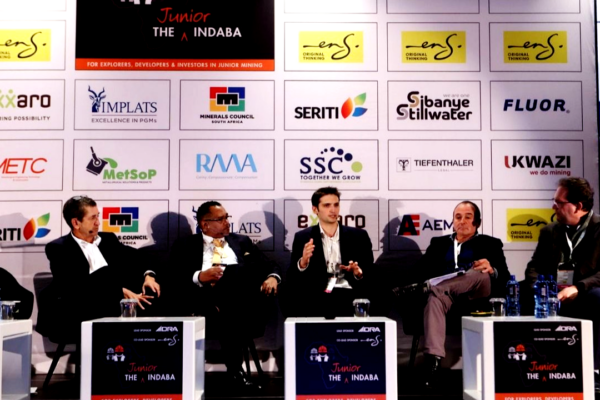
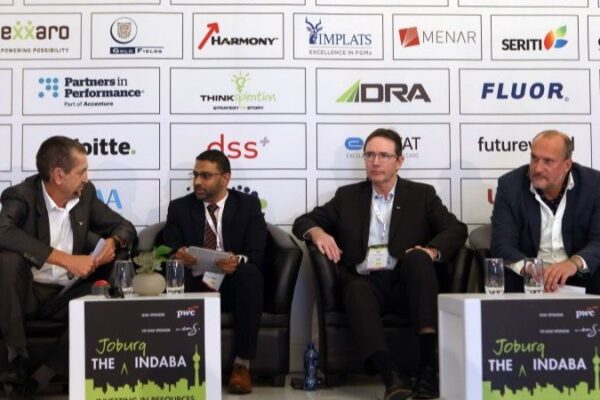
I looked around the stage and then the room and realised that, once again, most of the voices shaping the conversation were older white men, and the ears that were lending themselves to those voices were equally male and white. Competent? Absolutely. Experienced? Without question. Representative of South Africa in 2026? Not even close. And that’s the paradox we need to confront.
The uncomfortable truth: mining has transformed… but not evenly. Let’s be fair before we get critical.
Compared to most sectors of the South African economy, mining has done more heavy lifting on transformation than it gets credit for. Ownership structures have shifted meaningfully. Procurement has broadened. There is a growing cohort of black professionals and leaders who are not just participating, but leading. And If I were to compare my view from the stage from the Joburg Indaba or The Junior Indaba last year, it is comparable .
Perhaps there is another layer one looks at? Not just industry based, but sector and economically informed as well? This is where I need you to weigh in, not to vent or to rant, but to provide perspective that may not be visible to those in a different position.
In many operations today, the management teams are overwhelmingly black and increasingly skilled. The pipeline is no longer the problem it once was. But (and this is the part we tend to gloss over) the visible leadership layer, especially in industry forums, executive platforms, and technical authority roles, still lags.
Not dramatically. Not embarrassingly. But noticeably. And perception, in this case, is reality.
The global headwind against transformation comes at a bad time for SA. DEI fatigue is real, but not our excuse. Globally, we are seeing a pushback against Diversity, Equity and Inclusion. In some markets, DEI has become politicised, diluted, or reduced to compliance tick boxes.
South Africa cannot afford the luxury. Not with our history, and if I am frank, not with our economy. Our starting point is fundamentally different.
Transformation here is not a corporate initiative. It is a societal imperative. It is about economic inclusion, social stability, and long-term legitimacy. A legitimacy that our roots are grounded in! “Equality” or “inclusion” is not the type of buzz word for us as it is for the rest of the world, quite the opposite in fact! This is almost a PTSD trigger for us as a country, so then how does one tackle the fine print? We should not blindly follow global trends that are reacting to excesses we haven’t even reached.
If anything, this is precisely the moment where the mining industry should quietly double down, not with empty annual report commitments, but with substance. Where we are getting it right,there are real wins worth acknowledging.
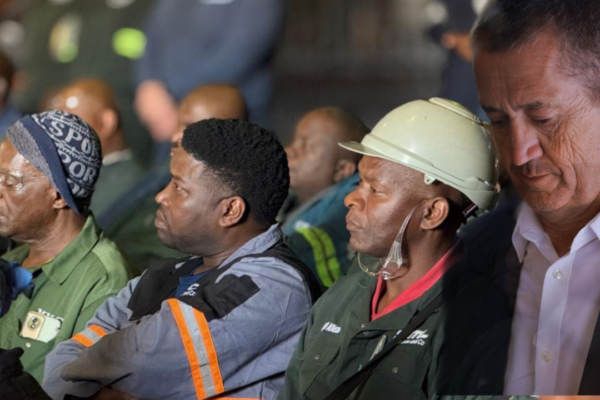
The South African mining landscape is undergoing a significant shift, driven by a credible talent pipeline where universities, bursary schemes, and robust in-house development programmes are consistently producing a new generation of capable and diverse young professionals. This progress is mirrored in the industry’s operational diversity, with visible and authentic transformation taking place at the shaft and plant levels, and increasingly within senior management ranks.
Furthermore, the growth of entrepreneurial participation through dedicated supplier development has empowered a generation of black-owned businesses, ensuring they are no longer just token participants but integral, competitive players in the value chain.
These are not small achievements. They are structural shifts, but we are falling short.
Despite these strides, progress remains uneven and frequently stalls at the highest echelons of influence, where the pace of change is most critical. A reflection of the industry’s top leadership reveals a “visibility gap” that suggests we are still far from a truly representative demographic picture. This is compounded by a sluggish transition from identifying “high-potential” talent to installing “proven leaders,” leaving a noticeable experience void at the executive level.
Furthermore, gender remains a quiet laggard; race-based transformation that has significantly outpaced the inclusion of women, especially within technical and operational environments. Finally, the industry often overlooks age diversity, favoring traditional experience over the generational renewal and fresh thinking necessary to modernize the sector.
The risk that comes with this is: normalising the wrong “normal”.
If industry leadership continues to look the same, we unintentionally reinforce a subconscious message: that leadership still has a “default setting”. And once that perception hardens, it becomes self-fulfilling.
Young professionals—especially black women—do not just need opportunity. They need visibility and dare I say trust!. Investors need to be just as willing to pour into our female leaders as they are with their male counterparts. This is not a matter of “ being supportive”, it is a necessity that has been held hostage by an inability to change, or even take the time to do the exercise that involves weighing out the criteria fairly. They need to see themselves reflected in authority, not just in aspiration.
So what do we do about this?
Let’s avoid the tired playbook of targets, scorecards, and well-meaning committees. This requires something more deliberate and more practical. Do I know for a fact that my ideas or opinions are failproof? Of course not!
But I look at this from the perspective of a father with daughters, a husband with an entrepreneurial wife, and a businessman working alongside strong, capable and competent women. How could I pretend to be unaffected by the image that we are seeing?
To address these challenges, the industry must shift from passive observation to deliberate action, beginning with the active curation of visibility.
Leaders and organizations must move beyond compliance to ensure platforms reflect actual talent; “difficulty finding” diverse voices is no longer a valid excuse, but rather a failure of effort. This intentionality must extend to leadership development, specifically focusing on the final “10%” of executive readiness through high-stakes sponsorship and exposure to capital allocation and strategy.
Furthermore, gender equity must become a front-foot priority by systemically dismantling cultural and physical barriers, such as inflexible career paths and site conditions, that have rendered progress incremental for too long. By simultaneously embracing generational diversity to integrate fresh perspectives into serious decision-making and holding leadership rigorously accountable for the demographic makeup of their teams, the sector can ensure its transformation is both modern and permanent.
At least, that is how my brain sees it.
A final thought:
The South African mining industry has come a long way. It has earned the right to acknowledge real progress. But transformation is not a destination we can declare victory on, it is at best a journey we have at least embarked on.
What felt progressive 5 years ago now feels incomplete, almost unacceptable and very noticeable…and perhaps that’s the right way to think about it. Not as failure and not as fatigue, but as unfinished business that we are not willing to abandon.
Because if we get this right, (not perfectly, but credibly) we don’t just build a more representative industry, we would have built a more resilient one, whilst ensuring that the old boeties like myself, have done our very best to leave this industry a little better than how we found it.
And in a world that is changing faster than most of us are comfortable with, that may turn out to be the ultimate competitive edge.
~ Z.B.S.


































Latest Posts